LMS vs Course Platform: Which Do You Actually Need?
LMS and course platform sound interchangeable but solve different problems. Here's the real difference, who each is for, and how to pick the right one — especially for Indian creators.
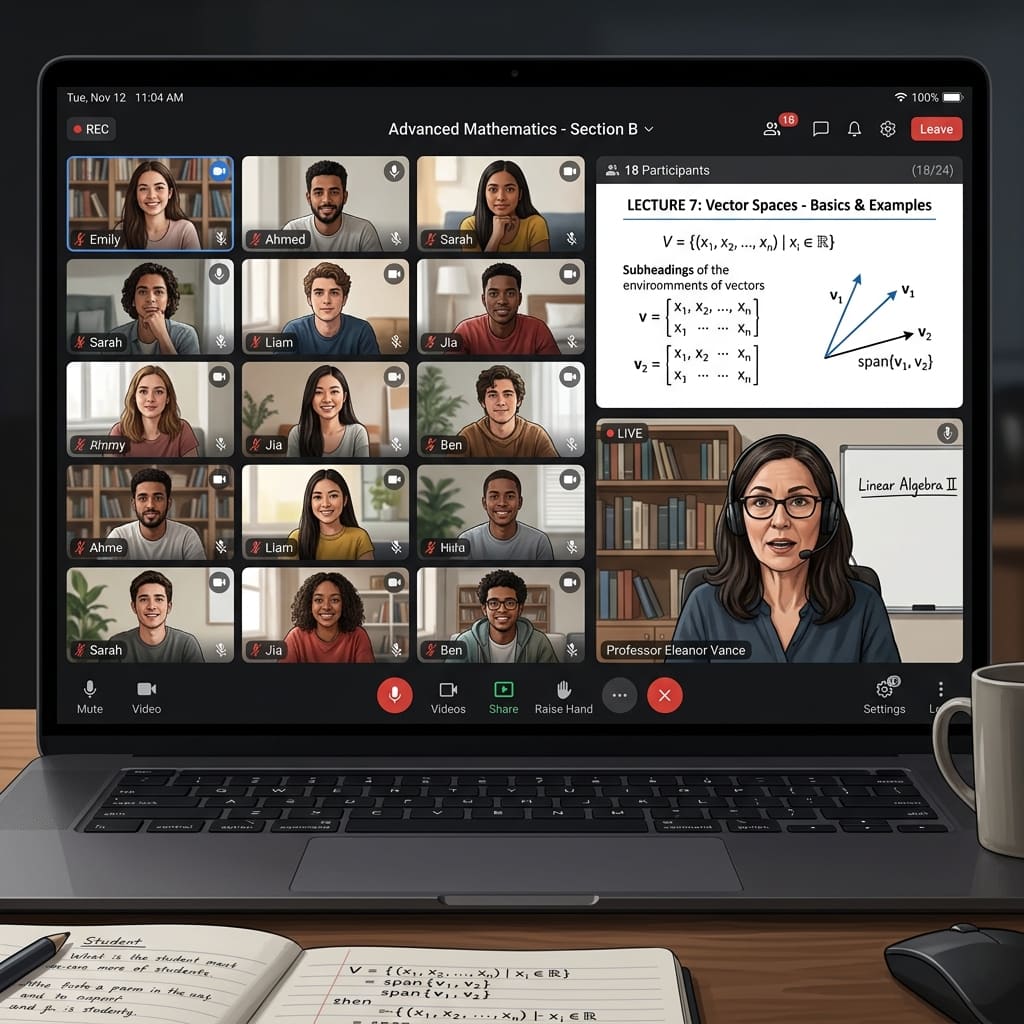
"LMS" and "course platform" get used as if they mean the same thing, and choosing the wrong category is a common, costly mistake. They overlap, but they were built to solve different problems — one to deliver and manage learning, the other to sell and teach courses under your own brand. Pick the wrong one and you either fight a tool meant for corporate training, or outgrow a tool that can't manage learning at scale. Knowing the difference saves you that pain.
This guide clears it up: what an LMS actually is, what a course platform actually is, who each is built for, how they compare feature by feature, and — especially for Indian educators and creators — how to choose. By the end you'll know exactly which category fits what you're trying to do, and you won't be swayed by a label.
Quick definitions
Start with plain definitions, because the confusion is mostly linguistic.
- LMS (Learning Management System) — software built to deliver, manage and track learning, typically inside an organisation: a company training employees, a school or college managing students. Selling courses isn't its main job.
- Course platform — software built for creators, coaches and educators to create, sell and teach courses under their own brand, with payments and an audience relationship built in. Selling is central.
- Marketplace — a third category: a catalogue (like Udemy) that brings an audience but takes a large cut and owns the student relationship.
The core difference
Boil it down and the difference is purpose. An LMS is about managing learning — enrolling known learners (employees, students), delivering training, tracking compliance and completion, reporting to an administrator. A course platform is about selling and teaching — attracting buyers, taking payments, delivering courses under your brand, and owning the customer relationship so you can sell again.
Put crudely: an LMS assumes you already have the learners and need to train them; a course platform assumes you need to find and sell to learners and then teach them. That single difference ripples through every feature, which is why the right choice depends entirely on which problem is yours.
Feature-by-feature comparison
| Capability | LMS (typical) | Course platform (typical) |
|---|---|---|
| Primary purpose | Deliver + manage training | Sell + teach courses |
| Built for | Companies, schools, institutions | Creators, coaches, educators |
| Selling / payments | Secondary or absent | Central — checkout, UPI, payouts |
| Audience / marketing | Learners already enrolled | Attract + own your audience |
| Branding | Often internal/admin-focused | White-label storefront + domain |
| Compliance / reporting | Strong (a core LMS job) | Lighter; learner-progress focused |
| Live + community | Varies | Increasingly built in |
When you need an LMS
Choose an LMS when your job is to deliver and track learning for a known group rather than to sell to the public. Classic cases: a company onboarding and upskilling employees, a school or college managing courses and students, an organisation that must track compliance training and report completion to administrators. Here, selling isn't the point — managing, delivering and reporting on learning is, and a proper LMS is built for exactly that, with the reporting and administration an institution needs.
When you need a course platform
Choose a course platform when your job is to sell courses and build a teaching business under your own brand. If you're a creator, coach, tutor or independent educator who needs to attract buyers, take payments, deliver courses, and own the customer relationship so you can sell again, a course platform is built for you — and an LMS would leave you fighting a tool that wasn't designed to sell. For most independent educators in India, this is the category, as covered in best online course platform in India.
Can one tool do both?
Increasingly, yes — the line is blurring. Modern course platforms have absorbed a lot of LMS-style learning management (progress tracking, quizzes, certificates, cohorts), and some LMSes have added selling features. So you don't always have to choose a pure version of either. The practical question isn't 'LMS or course platform?' in the abstract — it's 'which centre of gravity matches my main job, and does this specific tool cover what else I need?'
For an independent educator who mostly sells and teaches but also wants solid learning management (quizzes, completion, certificates, community), a strong all-in-one course platform usually covers both needs. You get the selling and branding a creator must have, plus enough learning-management depth to run real courses well — without the corporate-LMS overhead you don't need.
For Indian educators specifically
If you're an Indian creator, coach or institute selling to learners (not training employees), you almost certainly want a course platform — and an India-first one. Beyond the LMS-vs-platform question, what matters is native UPI payments, INR pricing, GST invoicing, a white-label academy and 0% commission, none of which a generic corporate LMS prioritises. The exception is genuine institutions (schools, colleges, companies) whose core need is internal learning management and compliance reporting, where an LMS fits. Match the tool to whether you're selling to the public or managing a known group.
How to choose
Two questions decide it. First: is my main job to sell courses to the public, or to deliver and track learning for a group I already have? (Selling → course platform; managing a known group → LMS.) Second: does the specific tool also cover my other needs — for a creator, payments, branding and audience; for an institution, reporting and compliance? Answer those and the category, and then the specific tool, becomes clear. Don't choose on the label; choose on your actual job.
Real scenarios: which would you pick?
Definitions click best against examples. Here's how the choice plays out for different people — notice it always comes back to the same question: are you selling to the public, or managing a known group?
- A yoga teacher selling courses to the public → course platform. They need to attract buyers, take payments and build a brand; an LMS would leave them unable to sell well.
- A company training 500 employees → LMS. They have the learners and need to deliver, track and report on training; selling isn't the job.
- A coaching institute running paid batches → course platform (institute-grade). They sell to students, collect fees, and run live batches — selling and teaching, not internal training.
- A college managing student courses and records → LMS. The need is administration, delivery and reporting for enrolled students.
- A creator selling a recorded course + a cohort → course platform. Selling and teaching under their brand is the whole point.
See the pattern? The moment your main job is selling to people who aren't yet your students, you want a course platform. The moment it's managing and reporting on a group you already have, you want an LMS. Almost everyone reading this as an independent educator falls in the first camp.
Switching or combining the two
What if you started on the wrong one, or your needs changed? It happens — someone picks a corporate LMS and then wants to sell to the public, or outgrows a basic course tool. Switching is usually a matter of exporting your content and learners and rebuilding on the right category of tool, ideally carrying a custom domain so links and SEO survive. And because the categories are converging, you may not need to switch at all: a strong all-in-one course platform often covers both the selling a creator needs and the learning management (quizzes, certificates, cohorts, reporting) an LMS is known for. Re-evaluate against your real job, not the label you chose before.
Common points of confusion
- Picking an LMS when you actually need to sell — and finding it can't take payments well.
- Assuming 'course platform' means it can't manage learning — modern ones do quizzes, certificates, cohorts.
- Choosing on the label instead of your real job (selling vs managing).
- Forgetting India-first essentials (UPI, GST, INR) when you're a creator selling locally.
- Over-buying corporate-LMS complexity you don't need as an independent educator.
Your decision checklist
- Define your main job: sell to the public, or manage a known group?
- Selling/teaching as a creator → course platform.
- Internal training + compliance for an org → LMS.
- Check the specific tool covers your other needs.
- If you're an Indian creator, prioritise UPI, INR, GST, white-label, 0% commission.
- Choose on your real job, not the label.
If you're selling and teaching, start here
An India-first course platform with the learning management you need — quizzes, certificates, cohorts, community — plus UPI payments and 0% commission. Start free.
Start free
Renu Rawat
Founder of thebigclass.com. Helping Indian educators and creators build profitable, independent learning businesses without losing 30% to platform fees.
About the founderFrequently asked questions
- What's the difference between an LMS and a course platform?
- An LMS (Learning Management System) is built to deliver, manage and track learning — typically inside an organisation like a company training employees or a school managing students — where selling isn't the main job. A course platform is built for creators, coaches and educators to create, sell and teach courses under their own brand, with payments and an audience relationship central. Crudely: an LMS assumes you already have the learners and need to train them; a course platform assumes you need to find, sell to and then teach learners.
- Do I need an LMS or a course platform?
- It depends on your main job. If you're selling courses to the public and building a teaching business under your own brand (a creator, coach, tutor or institute selling to learners), you need a course platform. If your job is delivering and tracking learning for a group you already have — employees, enrolled students — with compliance and reporting, you need an LMS. Decide by whether your core task is selling and teaching, or managing a known group's learning.
- Is a course platform the same as an LMS?
- They overlap but aren't the same. Modern course platforms have absorbed a lot of LMS-style learning management (progress tracking, quizzes, certificates, cohorts), and some LMSes have added selling features, so the line is blurring. The difference is the centre of gravity: a course platform is built primarily to sell and teach under your brand, while an LMS is built primarily to deliver and manage learning for an organisation. Choose based on which purpose matches your main job.
- Can one tool work as both an LMS and a course platform?
- Increasingly, yes. For an independent educator who mostly sells and teaches but also wants solid learning management — quizzes, completion tracking, certificates, cohorts, community — a strong all-in-one course platform usually covers both needs, giving you the selling and branding a creator must have plus enough learning-management depth to run real courses, without the corporate-LMS overhead you don't need. Check that the specific tool covers everything on your list rather than assuming the category.
- Which is better for Indian creators, an LMS or a course platform?
- For Indian creators, coaches and institutes selling to learners (rather than training employees), a course platform — and an India-first one — is almost always the right choice. Beyond the category, what matters is native UPI payments, INR pricing, GST invoicing, a white-label academy and 0% commission, which a generic corporate LMS doesn't prioritise. A genuine institution whose core need is internal learning management and compliance reporting is the exception where an LMS fits.
- When should a business or school use an LMS?
- When the core job is delivering and tracking learning for a known group, not selling to the public — for example, a company onboarding and upskilling employees, a school or college managing courses and students, or any organisation that must track compliance training and report completion to administrators. In these cases an LMS's strengths (administration, reporting, compliance, managing enrolled learners) are exactly what's needed, and selling features matter little.
- Do course platforms have quizzes and certificates like an LMS?
- Modern ones do. Many course platforms now include progress tracking, auto-graded quizzes, assignments, certificates and cohorts — the learning-management features people associate with an LMS — alongside the selling and branding tools a creator needs. So the old assumption that a course platform 'can't manage learning' is outdated; a strong all-in-one platform handles both the selling and the learning management for most independent educators.
- How do I choose between an LMS and a course platform?
- Ask two questions. First, is my main job to sell courses to the public, or to deliver and track learning for a group I already have? (Selling points to a course platform; managing a known group points to an LMS.) Second, does the specific tool also cover my other needs — for a creator, payments, branding and audience; for an institution, reporting and compliance? Choose on your actual job rather than the label, and the right category and tool become clear.
- Can I switch from an LMS to a course platform, or combine them?
- Yes. If you started on the wrong category or your needs changed — say you picked a corporate LMS and now want to sell to the public — switching is mainly a matter of exporting your content and learners and rebuilding on the right type of tool, ideally carrying a custom domain so your links and SEO survive. Often you won't need to switch at all, because the categories are converging: a strong all-in-one course platform now covers both the selling a creator needs and the learning management (quizzes, certificates, cohorts, reporting) an LMS is known for. Re-evaluate against your real job, not the label you chose before.
Keep reading
How to Choose the Best Online Course Platform in India
A clear, India-first way to choose a course platform — the six things that actually matter, an honest map of the options, and how to pick for your situation.
ReadThe Best Platform to Sell Courses Online in India
There's no single 'best' — there's best for you. An honest round-up of where to sell courses in India by need: overall, coaching, zero-commission, international and budget.
Read
How to Choose the Best Online Coaching Software in India
Run live batches, collect fees over UPI, set tests, solve doubts and keep students engaged — here's what coaching software must do, and how to pick the right one in India.
Read