Email vs WhatsApp for Course Updates: Which to Use When
Email or WhatsApp for reaching your students? In India the answer is both — but for different jobs. Here's which channel to lean on for reminders, launches and announcements.
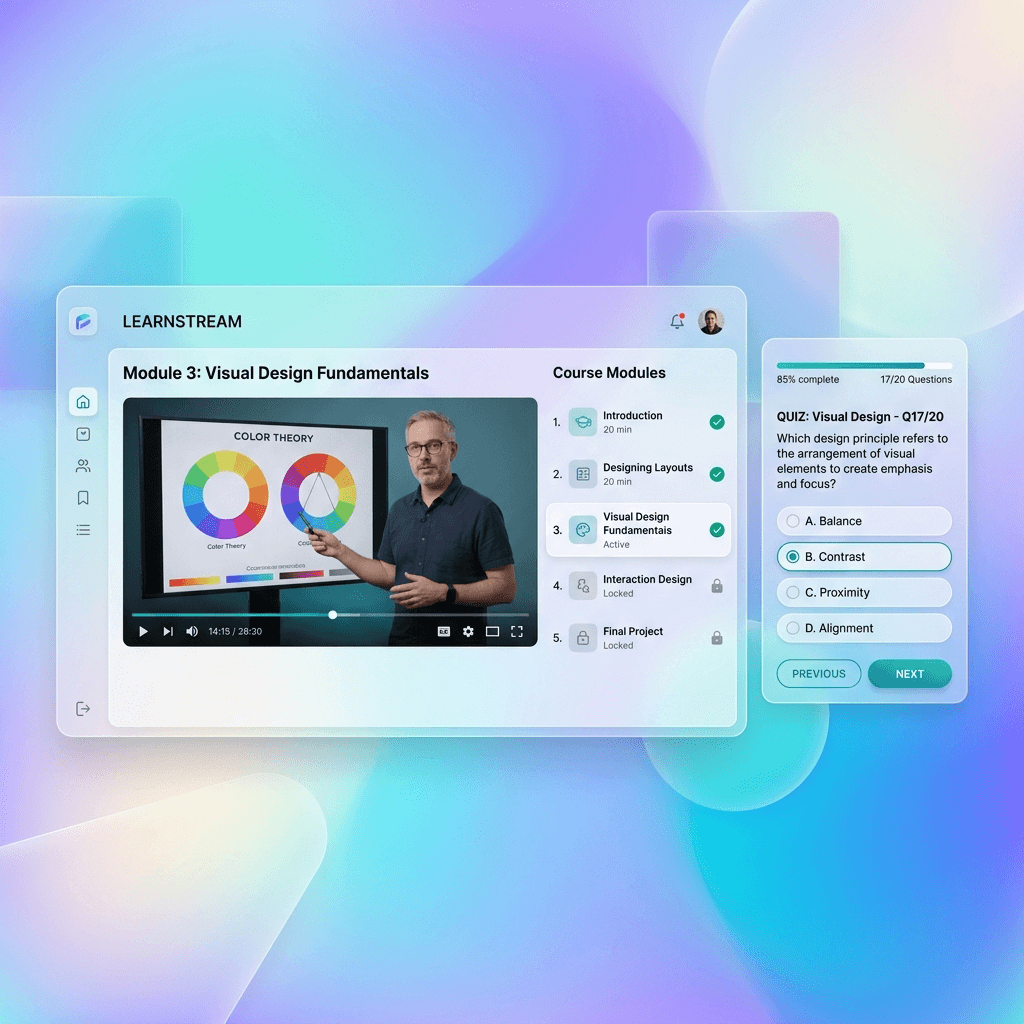
Getting a message to your students sounds simple until you watch a beautifully written email go unopened while a one-line WhatsApp gets a reply in two minutes. How you reach learners — for class reminders, launch announcements, fee nudges, course updates — quietly decides how many show up, pay and stay. In India especially, the email-versus-WhatsApp question has a clear, practical answer, and it's not 'pick one.'
This guide settles it: the strengths and weaknesses of each, which channel to lean on for which job, why using both together beats either alone, and how to do it without annoying people or breaking the rules. Get your channel strategy right and the same announcement reaches far more students, lifting attendance, sales and retention.
The short answer: use both
Let's not bury the lede. The winning strategy in India is to use email and WhatsApp together, because they're good at different things and reach people in different moments. Email is your detailed, long-form channel; WhatsApp is your high-open-rate, right-now channel. Sending important messages across both (plus in-app notifications) means that if one is missed, another lands — which is why multi-channel announcements consistently beat single-channel ones.
When email wins
Email is your channel for anything that needs length, detail or a paper trail. It's where you nurture an audience over time, tell the fuller story in a launch, share detailed updates, and send receipts and invoices. Because it's expected to be longer, email lets you make a complete case — the full pitch, the testimonials, the FAQ — in a way a WhatsApp blast can't. It's also effectively free at scale and easy to automate into sequences.
- Nurture sequences — a series of value emails that warm subscribers over days or weeks.
- Launch emails — the detailed sell, with story, proof and clear deadlines.
- Detailed updates — course changes, schedules, anything that needs explaining.
- Receipts and invoices — the formal record students expect.
When WhatsApp wins
WhatsApp is your channel for getting seen, now. In India, WhatsApp open rates dwarf email's — people check it constantly and reply quickly — which makes it unbeatable for anything time-sensitive or that needs a response. A class starts in an hour? WhatsApp. A fee is due tomorrow? WhatsApp. A student has a quick question blocking a purchase? WhatsApp. It's short-form and personal, perfect for nudges, reminders and warm, conversational touches.
- Class reminders — 'Live class in 1 hour, join here' gets seen and acted on.
- Fee and renewal nudges — gentle, well-timed reminders that actually get read.
- Launch and offer alerts — 'Doors close tonight' lands with urgency.
- Quick questions and support — conversations that close sales and solve doubts fast.
Use them together: a simple playbook
The magic is in the combination. Use email to carry the detail and WhatsApp to make sure it's seen, layering them by job.
| Job | Lead channel | Backed by |
|---|---|---|
| Nurture / build trust | Occasional WhatsApp value | |
| Class reminder | In-app + email | |
| Launch / offer | Email (detail) | WhatsApp (urgency nudges) |
| Fee / renewal due | Email (with invoice) | |
| Course update / schedule | WhatsApp heads-up | |
| Receipt / invoice | — |
A platform that lets you send an announcement across in-app, email and WhatsApp in one go makes this effortless — you write once and it reaches students wherever they are. That's how announcements and reminders should work, rather than copy-pasting across apps.
Don't annoy people (or break the rules)
Both channels punish overuse, and WhatsApp in particular has rules worth respecting — it's people's personal space, and business messaging has opt-in expectations and limits. The golden rule: be useful, not noisy. Message with a clear purpose (a reminder they want, an offer that's relevant), not constant pitches, and make sure people have opted in to hear from you.
- Get consent — students should have opted in; don't blast strangers.
- Be relevant — every message should be worth the interruption.
- Don't over-send — frequency fatigue gets you muted or unsubscribed.
- Use WhatsApp Business properly — respect its policies and your sender setup.
- Make opting out easy — trust is worth more than one extra send.
Why this matters for results
Channel choice isn't a detail — it's upstream of attendance, sales and retention. A class reminder that gets seen means more students show up, which means more engagement and better completion. A launch message that lands means more sales. A fee nudge that's read means fewer missed payments. The same content, delivered where students actually look, simply works better — and in India that overwhelmingly means pairing WhatsApp's reach with email's depth.
Building your email and WhatsApp lists
Both channels only work if you have people to reach on them, and the list is the asset. Unlike social followers, an opt-in email or WhatsApp list is something you own and can reach any time — so building it deliberately is one of the highest-return things you can do for a course business. The principle is give-to-get: offer something genuinely valuable in exchange for an opt-in.
- Free workshops — attendees opt in to join, and you've captured a warm, interested contact.
- Lead magnets — a free guide, checklist or mini-course in exchange for an email or WhatsApp opt-in.
- Your content — point Reels, posts and videos toward a sign-up, turning rented reach into owned contacts.
- At checkout and in your academy — students naturally join your list when they buy or sign up.
- Always with consent — opt-in matters for trust and for WhatsApp's rules; never add people who didn't agree.
A few thousand engaged, opted-in contacts you own are worth more than a far larger rented following, because you can reach them directly whenever you launch. Treat list-building as ongoing, not a one-off — every workshop and every piece of content is a chance to grow the audience you'll sell to. See course marketing for how this fits the wider funnel.
Automate your messages and sequences
Doing all this by hand doesn't scale, so automation is what makes a multi-channel strategy practical. Set up sequences and triggered messages once, and they run themselves: a welcome series when someone joins, class reminders before each session, a launch sequence around your cart, fee-due nudges before each installment. Automation means the right message reaches the right student at the right moment without you watching every contact.
The ideal is a platform where you can compose once and send across in-app, email and WhatsApp together, and where routine messages (reminders, welcomes, nudges) fire automatically based on what students do. That turns communication from a daily chore into a system — consistent, timely and multi-channel — which is exactly what lifts attendance, sales and on-time payments without consuming your time.
Common mistakes
- Relying on email alone and wondering why nobody saw the reminder.
- Using WhatsApp for long, detailed messages that belong in email.
- Blasting people who never opted in (and getting blocked).
- Over-messaging until students mute or unsubscribe.
- Copy-pasting the same announcement across apps by hand instead of sending multi-channel in one go.
Your channel checklist
- Build opt-in email and WhatsApp lists of your students.
- Use email for nurture, launches, detail and receipts.
- Use WhatsApp for reminders, nudges, urgency and quick questions.
- Back up important messages across both (plus in-app).
- Be useful and relevant; respect consent and frequency.
- Send multi-channel announcements in one go where possible.
Reach every student, every time
Send announcements and reminders across in-app, email and WhatsApp in one go — so class reminders, launches and fee nudges actually get seen. On a free India-first platform.
Start free
Renu Rawat
Founder of thebigclass.com. Helping Indian educators and creators build profitable, independent learning businesses without losing 30% to platform fees.
About the founderFrequently asked questions
- Email or WhatsApp — which is better for course updates in India?
- Use both, because they're good at different things. Email is your long-form channel for nurture sequences, detailed launches, course updates and receipts; WhatsApp, with its very high open rates in India, is unbeatable for time-sensitive jobs like class reminders, fee nudges, urgency alerts and quick questions. Sending important messages across both (plus in-app notifications) means that if one is missed, another lands — which consistently beats relying on a single channel. Lean on WhatsApp to get seen and email to carry detail.
- Why do WhatsApp messages get seen more than emails in India?
- Because Indians live in WhatsApp — they check it constantly and reply quickly, so open and response rates dwarf email's. Email is still valuable for detail, nurture and records, but it's easier to bury in a crowded inbox and slower to be acted on. For anything time-sensitive — a class starting in an hour, a fee due tomorrow, a launch closing tonight — WhatsApp's reach makes it the channel that actually gets your message in front of students in time to act.
- What should I send by email vs WhatsApp?
- By email: nurture sequences, detailed launch emails, course updates and schedules that need explaining, and receipts/invoices (the formal record students expect). By WhatsApp: class reminders ('live in 1 hour'), fee and renewal nudges, launch urgency alerts ('doors close tonight'), and quick questions or support. For important messages, lead with the channel best suited to the job and back it up across both plus in-app, so it's seen regardless of where the student looks.
- Is it okay to message students on WhatsApp for my course?
- Yes, if they've opted in and you're useful rather than noisy. WhatsApp is people's personal space and business messaging has opt-in expectations and limits, so get consent, keep every message relevant (a reminder they want, an offer that fits), don't over-send, use WhatsApp Business properly with the right sender setup, and make opting out easy. Done respectfully, WhatsApp is one of the most effective ways to reach Indian students; done carelessly, it gets you muted or blocked.
- How do I reach students reliably without annoying them?
- Be useful, not noisy, and use the right channel for each job. Send with a clear purpose (a wanted reminder, a relevant offer) rather than constant pitches, get people's consent to message them, avoid frequency fatigue by not over-sending, and make opting out easy. Use WhatsApp for time-sensitive nudges and email for detail, backing up important announcements across both. Respecting people's attention builds the trust that makes them open your next message.
- Can I send one announcement to email, WhatsApp and in-app at once?
- On the right platform, yes — and it's far better than copy-pasting across apps by hand. A single composer that sends an announcement across in-app notifications, email and WhatsApp together means you write once and it reaches students wherever they are, so a class reminder or launch alert isn't missed because it only went to one channel. This multi-channel approach reliably lifts attendance, sales and on-time payments compared to single-channel sends.
- Does the channel I use really affect course results?
- Yes — channel choice is upstream of attendance, sales and retention. A class reminder that gets seen means more students show up and engage, lifting completion; a launch message that lands means more sales; a fee nudge that's read means fewer missed payments. The same content delivered where students actually look simply performs better, and in India that means pairing WhatsApp's reach with email's depth rather than relying on email alone.
- Should I use email or WhatsApp for launching a course?
- Both, in tandem. Email carries the detailed launch story — the full pitch, proof, FAQ and clear deadlines — across a sequence, while WhatsApp delivers the time-sensitive urgency nudges ('early-bird ends tomorrow', 'doors close tonight') that get seen and acted on immediately. Leading the detail on email and reinforcing urgency on WhatsApp (plus in-app) reaches more of your audience at the moments that drive purchases, which is why multi-channel launches outperform email-only ones.
- How do I build an email and WhatsApp list for my course?
- Use the give-to-get principle: offer something genuinely valuable in exchange for an opt-in. Free workshops (attendees opt in to join), lead magnets (a free guide, checklist or mini-course), and your content (pointing Reels and videos toward a sign-up) all turn attention into owned contacts, and students naturally join when they buy or sign up to your academy. Always get consent — it matters for trust and for WhatsApp's rules. A few thousand engaged, opted-in contacts you own are worth more than a far larger rented following, because you can reach them directly whenever you launch.
- Can I automate course messages across email and WhatsApp?
- Yes, and automation is what makes a multi-channel strategy practical at scale. Set up sequences and triggered messages once — a welcome series when someone joins, class reminders before each session, a launch sequence around your cart, fee-due nudges before each installment — and they run themselves, reaching the right student at the right moment. The ideal is a platform where you compose once and send across in-app, email and WhatsApp together, with routine messages firing automatically based on what students do, turning communication from a daily chore into a reliable system.
Keep reading
How to Market an Online Course in India
Build it and they won't come — you have to market it. Here's the complete, India-first playbook to market an online course, from owning your audience to launches and referrals.
Read
How to Improve Student Retention in Online Courses
Completion is the metric nobody brags about — because most courses have terrible numbers. Here's why students quit, and the levers that actually get them to the finish line.
ReadHow to Collect Course & Coaching Fees Online in India
Chasing fees is the worst part of teaching. Here's how to collect course and coaching fees online in India — UPI, installments, auto-reminders and clean records — so payments mostly run themselves.
Read