How to Market an Online Course in India
Build it and they won't come — you have to market it. Here's the complete, India-first playbook to market an online course, from owning your audience to launches and referrals.
The hardest truth about selling courses online is that the course is the easy part. You can build something brilliant and sell exactly zero copies, because 'build it and they will come' is a lie — online, nobody comes unless you bring them. Marketing isn't a dirty word or an afterthought; it's the work that turns a great course into a real income. The good news is that course marketing follows a learnable pattern, and most of it doesn't need a budget.
This is the complete, India-first playbook for marketing an online course: the mindset shift, why you must own your audience, the funnel that turns strangers into students, and the specific channels — content, social, email, WhatsApp, workshops, referrals and launches — that actually work in India. Master these and you stop hoping for sales and start engineering them.
The mindset: you are the marketer now
If you come from teaching, marketing can feel uncomfortable — like bragging or pestering. Reframe it: marketing is simply making sure the people who need your help can find it. You're not tricking anyone; you're connecting a real solution with people who have the problem. Once you accept that driving traffic is your job (not the platform's, not luck's), everything else follows. The educators who succeed online aren't always the best teachers — they're the ones who consistently market.
Own your audience — don't rent it
The single most important marketing principle for a course business: own your audience. Social media followers are rented — the algorithm decides who sees you, and a change can cut your reach overnight. An email list, a WhatsApp broadcast list, and your own academy are owned — you can reach those people any time, for free, forever. Every marketing activity should ultimately move people onto channels you own.
Practically, that means using social and content to attract people, then capturing them — a free workshop sign-up, a lead magnet, a waitlist — onto your email or WhatsApp list and your own platform. A creator with 2,000 engaged email/WhatsApp subscribers they own will out-earn one with 50,000 followers they rent, because they can launch to that audience directly whenever they choose.
The course marketing funnel
Marketing isn't one post — it's a funnel that moves people through stages. Understanding the stages tells you what to do at each.
- Awareness — content and social bring new people who don't know you yet.
- Trust — free value and proof turn awareness into belief that you can help.
- Sale — a clear offer, often via a launch, converts trust into a purchase.
- Retention — community and results keep students, who then refer others — feeding awareness again.
Content marketing: the engine
Content is the most durable, lowest-cost marketing for educators, because teaching in public is the perfect demonstration of your expertise. Every useful tip, Reel, post or video does double duty: it helps people (building trust) and it reaches new people (building awareness). The logic is simple — if your free content is genuinely good, people conclude your paid course must be excellent.
Pick one or two platforms where your students actually are (Instagram and YouTube are powerful in India), post consistently rather than perfectly, and always point back to something you own. Content is slower than a launch but compounds over time into a steady stream of warm leads. For the Instagram angle specifically, see selling courses on Instagram.
Email and WhatsApp: your owned channels
Once you've attracted people, email and WhatsApp are where you nurture and sell — because you own them. Email is perfect for longer nurture sequences and launches; WhatsApp, in India, has extraordinary open rates and is brilliant for reminders, quick nudges and warm announcements. Used together, they reach people far more reliably than social posts that the algorithm may hide.
Build the list deliberately (free workshops and lead magnets are the best list-builders), then stay in touch with value, not just pitches — useful tips between offers keep people engaged so they're warm when you launch. On which channel to lean on for what, see email vs WhatsApp for course updates.
Free workshops and lead magnets
The highest-converting marketing tactic for most educators is a free live workshop. You deliver genuine value, build trust in real time, capture attendees onto your list, and invite them into your paid course at the end with an early-bird. Lead magnets (a free guide, checklist or mini-course) do a similar job asynchronously — give something genuinely useful in exchange for an email or WhatsApp opt-in.
Both work because they give before they ask. A prospect who's already received real value from you, and joined your list to get it, is far warmer than a cold visitor — and far more likely to buy when you make an offer. Run workshops repeatedly; each one fills your list and your next launch.
Referrals and word of mouth
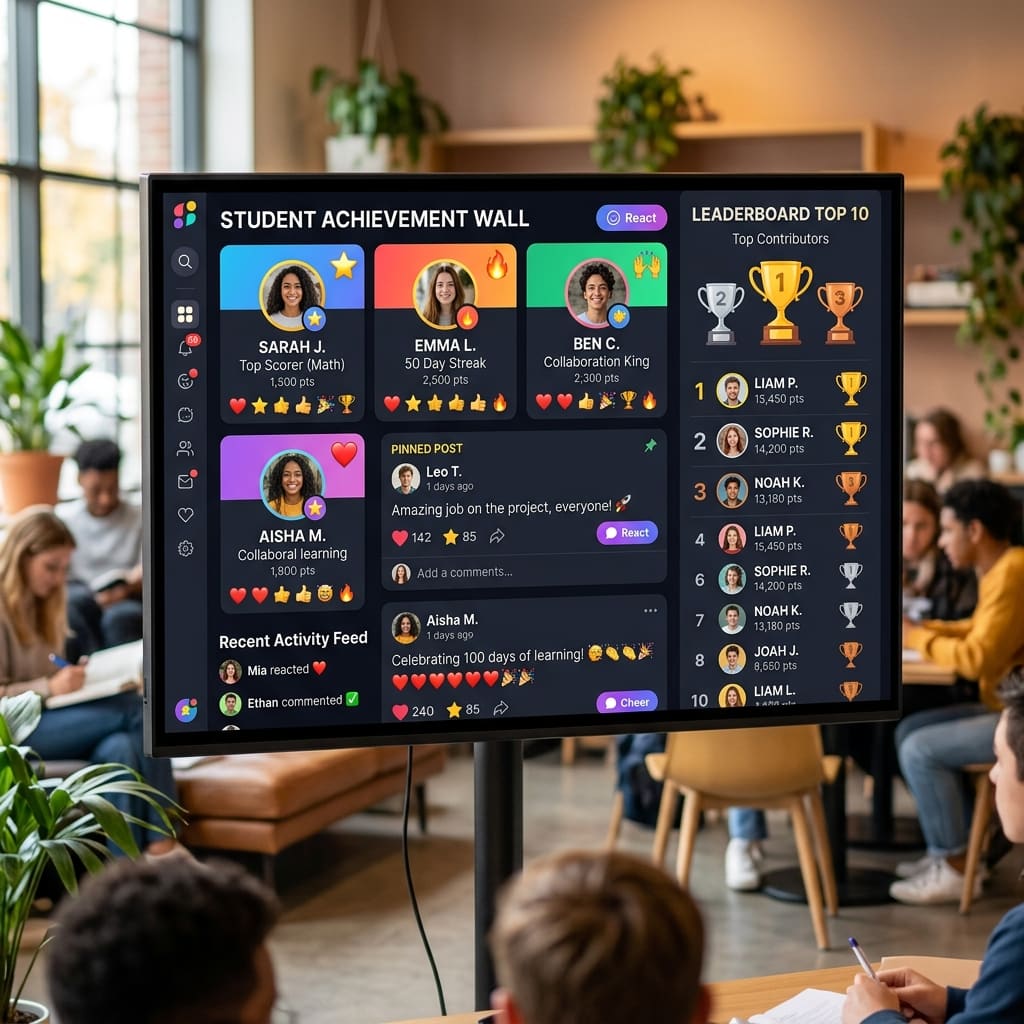
Your students are your best marketers, because people trust other learners far more than your sales page. Make referrals easy and rewarding with a refer-and-earn link, ask for testimonials while results are fresh, and showcase student wins publicly as proof. A genuinely good course with happy students generates a referral flywheel that lowers your marketing cost over time. Word of mouth is the cheapest, highest-trust channel there is — earn it by delivering real outcomes.
Launches: concentrate the demand
Rather than selling quietly all the time, periodic launches concentrate attention and add urgency, producing bursts of sales. A launch gives you a story to talk about (doors opening, an early-bird ending) and a deadline that turns interest into action. Pair your owned audience with a launch sequence — waitlist, free workshop, open cart, early-bird deadline, close — and you turn warm subscribers into buyers. The full mechanics are in the course launch checklist.
What about paid ads?
Ads have a place, but it's later than most people think. For your first sales, free channels — content, workshops, your warm circle, referrals — are cheaper and more effective, and ads need a proven offer and a tuned funnel to not waste money. Get traction with free channels first, prove your offer converts, then use ads to scale what already works. Running ads before your offer is validated is the fastest way to burn money and wrongly conclude 'this doesn't work.' See getting your first 100 students.
SEO and your own academy
A quieter, compounding channel: content on your own branded domain builds search authority over time, bringing free traffic for years. A blog, helpful guides, and well-optimised course pages on your own academy mean some students find you through Google without you paying for every click. It's slow to start but, like content generally, it compounds — and because it's on land you own, that authority builds for you, not a platform.
Retention is marketing too
The cheapest marketing is keeping the students you have and turning them into advocates. A student who finishes, gets a result and feels part of a community refers friends, buys your next course, and leaves the reviews that convince strangers. So retention and community aren't separate from marketing — they're its most efficient form. Marketing that ignores retention is a leaky bucket; you pour in new students and lose them out the back.
Common course-marketing mistakes
- Expecting sales without marketing ('build it and they'll come').
- Relying only on rented social audiences with nothing owned.
- Selling constantly with no free value, so trust never builds.
- No email/WhatsApp list, so you can't reach people directly.
- Spending on ads before the offer is proven.
- Ignoring retention and referrals — the cheapest growth.
Your course-marketing checklist
- Accept that driving traffic is your job, and commit to consistency.
- Build owned channels: an email/WhatsApp list and your own academy.
- Create value-first content on one or two platforms.
- Run free workshops/lead magnets to capture and warm leads.
- Nurture via email + WhatsApp; launch periodically to your list.
- Turn students into referrals and proof.
- Add ads only to scale a proven offer.
- Invest in retention and community as your cheapest marketing.
Market your course, own your audience
Built-in community, refer-and-earn, multi-channel announcements and your own branded academy — market and sell in one India-first platform with 0% commission. Start free.
Start free
Renu Rawat
Founder of thebigclass.com. Helping Indian educators and creators build profitable, independent learning businesses without losing 30% to platform fees.
About the founderFrequently asked questions
- How do I market an online course in India?
- Treat marketing as a funnel, not a single post: use value-first content and social to create awareness, free workshops and proof to build trust, a clear offer and periodic launches to convert, and community and results to retain students who then refer others. Crucially, own your audience — move people from rented social onto an email/WhatsApp list and your own academy so you can reach them directly any time. Use free channels and referrals first; add paid ads only to scale a proven offer.
- Why isn't my online course selling?
- Almost always because it isn't being marketed, not because it's bad. 'Build it and they will come' doesn't work online — nobody finds your course unless you bring them. Common gaps are relying only on rented social audiences with nothing owned, selling constantly with no free value so trust never builds, having no email/WhatsApp list to reach people directly, and treating launch day as one post rather than a sequence. Fix the marketing — owned audience, value-first content, workshops, a real launch — and sales usually follow.
- What's the best way to market a course for free?
- Combine value-first content (teaching in public on Instagram/YouTube), free live workshops that capture attendees onto your list and invite them to buy at the end, your warm circle (past students, groups, followers), and referrals from happy students with a refer-and-earn link. These cost nothing but time and consistently out-perform paid ads for early sales, because they build genuine trust. Always point people toward channels you own — an email/WhatsApp list and your own academy — so you can market to them again.
- Should I use paid ads to market my course?
- Eventually, but not first. For early sales, free channels (content, workshops, your warm circle, referrals) are cheaper and more effective, and ads need a proven offer and a tuned funnel to avoid wasting money. Get traction and prove your offer converts with free channels, then use ads to scale what already works. Running ads before validating your offer is the fastest way to burn money and wrongly conclude online courses don't sell.
- Email or WhatsApp — which is better for marketing a course in India?
- Use both, for different jobs. Email is ideal for longer nurture sequences and detailed launch emails; WhatsApp, in India, has extraordinary open rates and is brilliant for reminders, quick nudges and warm announcements. Together they reach people far more reliably than social posts the algorithm may hide. The key is that both are owned channels — build your list deliberately through free workshops and lead magnets, and stay in touch with value, not just pitches. See our dedicated email-vs-WhatsApp guide for which to lean on when.
- How important is owning my audience versus social followers?
- It's the most important marketing principle for a course business. Social followers are rented — the algorithm decides who sees you and can cut your reach overnight — while an email list, WhatsApp list and your own academy are owned, reachable any time for free. A creator with a couple of thousand engaged owned subscribers will out-earn one with tens of thousands of rented followers, because they can launch directly to that audience whenever they choose. Use social to attract, then capture people onto owned channels.
- How do free workshops help market a course?
- A free live workshop is the highest-converting tactic for most educators because it gives before it asks: you deliver genuine value, build trust in real time, capture attendees onto your email/WhatsApp list, and invite them into your paid course with an early-bird at the end. Attendees who've already received real value and joined your list are far warmer than cold visitors and far more likely to buy. You can run workshops repeatedly, each one filling your list and your next launch.
- Is retention part of marketing?
- Yes — and it's the cheapest, most efficient form. Keeping students and turning them into advocates costs far less than acquiring new ones, and a student who finishes, gets a result and feels part of a community refers friends, buys your next course, and leaves the reviews that convince strangers. Marketing that ignores retention is a leaky bucket. Investing in completion and community isn't separate from marketing; it's marketing that compounds, lowering your acquisition cost over time.
- How long does course marketing take to work?
- It depends on the channel. Warm-circle outreach, free workshops and referrals can produce sales within days because they tap existing trust. Content and SEO are slower — they compound over weeks and months into a steady stream of warm leads — but they're durable and low-cost. The realistic approach is to use fast warm channels for early sales while building the slow compounding ones (content, an owned list, SEO) in the background, so over time you rely less on hustle and more on a marketing engine that runs itself.
Keep reading
The Online Course Launch Checklist for Indian Creators
Most courses launch to silence because there was no launch — just a quiet 'publish.' Here's the step-by-step checklist to launch properly and actually get sales.
Read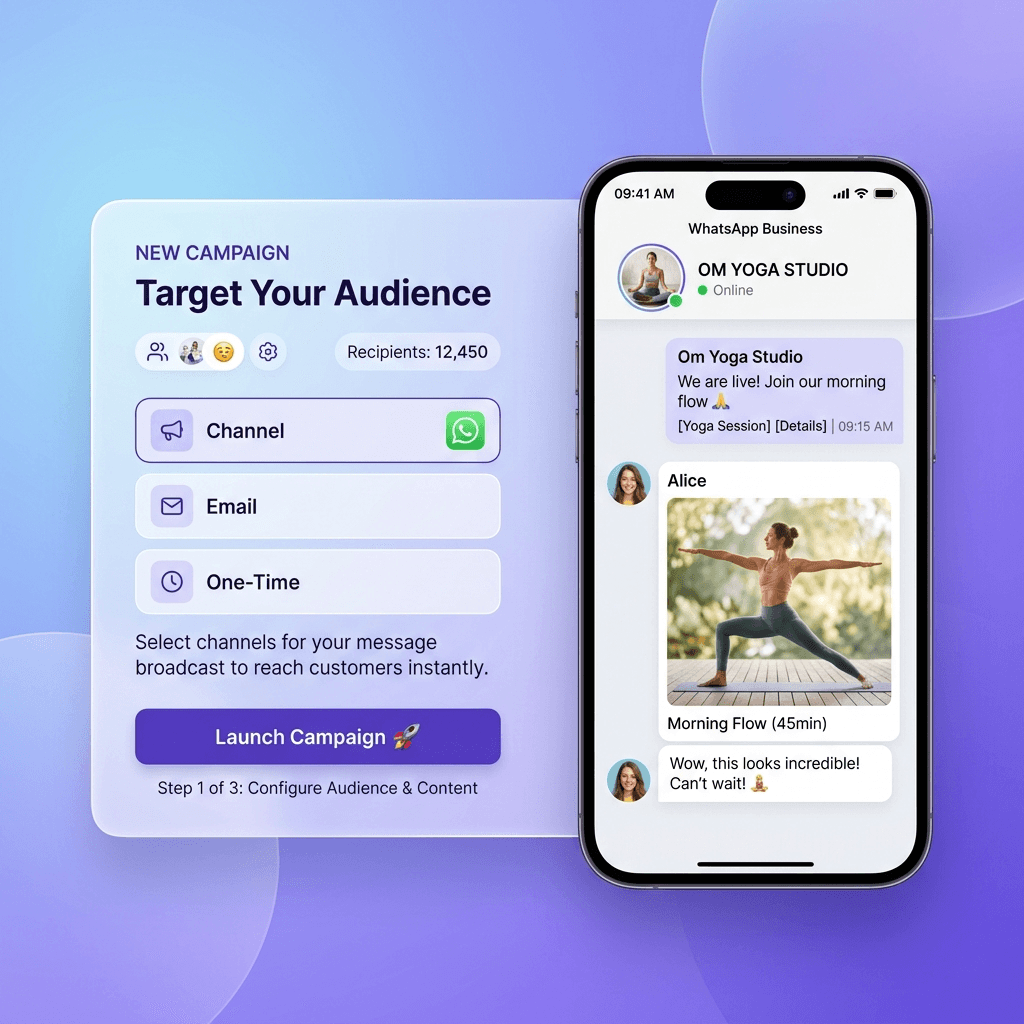
How to Get Your First 100 Students (Without a Big Audience)
You don't need a big following or an ad budget — you need the right hundred people. Here's the warm-first playbook to get your first 100 students in India.
Read
How to Sell Online Courses on Instagram in India
Instagram is where India's attention lives — but you sell through it, not on it. Here's the content-to-checkout funnel that turns followers into course buyers.
Read