How to Teach Online and Earn Money in India
If you're good at something people want to learn, you can earn from it online. Here's how to turn a skill into real income in India — honestly, without the get-rich-quick nonsense.

Somewhere in your head is knowledge other people would pay to have. Maybe you crack exams, code, cook, speak fluent English, trade stocks, paint, or explain hard things simply. For most of history, turning that into income meant a classroom and a commute. Not anymore. Today, a phone, an internet connection and the right platform can turn what you know into a real income — reaching students far beyond your city.
Let's be honest up front: teaching online isn't a get-rich-quick scheme, and anyone promising lakhs overnight is selling you something. But it is one of the most genuine ways in India today to build income from a skill you already have — part-time or full-time, as a side hustle or a real business. This guide shows you how, without the hype.
Why now is a good time to teach online in India
Three things have lined up. Cheap data and smartphones put a classroom in every pocket, even in small towns. UPI made paying for things online effortless. And after years of online classes, Indian learners now trust and prefer learning on their phones. The result: a huge, growing audience that's comfortable buying knowledge online — and that's just getting bigger.
On top of that, the tools have caught up. You no longer need a developer or a big budget to launch — modern platforms handle the courses, payments and delivery for you. The barrier to starting has never been lower, which means the question isn't "can I?" but "what will I teach, and how will I begin?"
What can you teach? Finding your sellable skill
People assume they need to be a world expert. You don't. You need to be a few steps ahead of the person you're teaching, and able to explain the path clearly. The sweet spot is the overlap of three things: something you're genuinely good at, something a specific group wants to learn, and something they'll pay to learn now.
- Academic & exams — maths, science, spoken English, UPSC, JEE/NEET, SSC, CA. India's biggest, most willing-to-pay category.
- Professional skills — coding, design, digital marketing, Excel, finance, communication. People pay to get ahead at work.
- Creative & hobby — music, art, photography, cooking, dance, calligraphy. Passion audiences that love to learn.
- Life & wellness — fitness, yoga, nutrition, parenting, personal finance. Outcomes people care deeply about.
If you're still unsure, ask the people around you what they already come to you for advice on. The thing friends keep asking you to explain is often the thing strangers will pay you to teach.
The ways to earn teaching online
"Teaching online" isn't one business model — it's several, and the smartest educators combine them. Here's the menu.
| Way to earn | Effort | Income shape | Best for |
|---|---|---|---|
| Recorded courses | High upfront, low after | Passive, scales | Repeatable skills |
| Live cohorts | Live hours each run | High per batch | Transformations, exam prep |
| 1:1 coaching | Your time, capped | High per hour | Premium, personal |
| Memberships | Ongoing | Predictable monthly | Communities, practice |
| Workshops | One session | Quick wins | Testing ideas, leads |
From skill to first ₹: a step-by-step path
Here's the route from "I know something" to "someone paid me to teach it," in the order that actually works.
- Pick a sharp outcome. Not "a maths course" but "clear your Class 10 board maths." A clear result is what people buy.
- Validate it. Ask your audience what they're stuck on, then pre-sell a small live batch before building everything. See how to create a course.
- Choose how to deliver — start with a live workshop or cohort; it's faster to launch and you learn what students need.
- Pick a platform that handles courses, live classes and UPI payments in one place.
- Launch to your warm circle — past students, WhatsApp groups, Instagram. You need the right hundred people, not millions.
- Deliver, gather proof, and reinvest — turn results into testimonials, and recordings into a self-paced course you sell again and again.
How much can you realistically earn?
Time for honesty, because this is where the hype lives. Your income depends on three things: the size and willingness of your audience, the value of the outcome you teach, and how consistently you show up. There's no fixed number — but there is a realistic shape.
Early on, a handful of students at a modest price might bring a few thousand rupees a month — real money for a side hustle, and proof your idea works. As you build proof, raise prices, add live cohorts and memberships, and grow your audience, that can climb to a meaningful full-time income. Educators who treat it as a real business — consistent content, strong outcomes, multiple income streams — do genuinely well. Those who post once and vanish don't. The lever you control most is consistency.
Ignore the overnight-lakhs stories
Anyone guaranteeing huge income fast is selling a dream, not teaching a skill. Real online teaching income is built the same way any business is — steadily, on real value. Be suspicious of shortcuts.
What you need to start (less than you think)
You don't need a studio or a developer. A recent phone, a cheap collar mic, decent light, and a platform that handles the rest will do. Crucially, pick a platform that takes UPI payments and settles money to your bank, so getting paid is as easy as teaching. On The Big Class you can host courses, run live classes, take UPI payments and keep 100% of your sales (0% commission) — on a free plan to start, so there's no upfront cost to begin.
Getting your first students
The most common fear — "I don't have an audience" — matters less than you think at the start. You don't need a big following; you need the right small group and a way to turn results into referrals.
- Start with your warm circle: past students, friends, WhatsApp and Telegram groups, your Instagram.
- Run a free live workshop, then invite attendees into a paid course or cohort with an early-bird deadline.
- Post genuinely useful content where your learners hang out — short tips build trust over time.
- Turn happy students into a channel with a refer-and-earn link, and publish their wins as proof.
Common myths and mistakes
- "I need to be a famous expert." No — a few steps ahead and a clear explanation is enough.
- "I need a huge audience." The right hundred people beats a vague following of thousands.
- "I'll build the whole course first." Validate and pre-sell before you record.
- "More content = more money." Outcomes and consistency sell; volume alone doesn't.
- Choosing a platform that takes a big commission or can't do UPI — a tax on every sale.
Teaching online alongside a job or studies
You don't have to quit anything to start. Most online educators begin on the side — a teacher taking weekend batches, a working professional running an evening cohort, a college student teaching juniors. Online teaching is unusually friendly to this because so much of it is asynchronous: you record once and sell many times, and live sessions can sit in evenings or weekends when your audience is free anyway.
The trick to making a side hustle work is to protect a small, consistent slot rather than waiting for big free days that never come. A couple of hours, two or three times a week — recording lessons, answering doubts, running one live session — compounds fast. Start with a self-paced course or a single weekend cohort so the commitment is contained, prove it earns, and only then decide whether to scale it toward full-time. Many people find the side income grows until going full-time becomes an easy, evidence-backed choice rather than a leap of faith.
A practical note for working professionals and government employees: check any employment terms or rules about outside income before you start, and keep your teaching income properly declared. A clean setup from day one saves headaches later.
Turning it into real, growing income
Once your first offer works, growth comes from stacking income streams on the same expertise: productise your teaching into a self-paced course that sells passively, run live cohorts for higher prices, add a membership for recurring income, and build a community that retains students and refers new ones. Own your brand on your own domain so your reputation — and your search traffic — compound for you. For the business view, see how to start an online coaching business.
Your start-teaching checklist
- Find your sellable skill — good at it, wanted, paid-for.
- Pick one sharp outcome and validate by pre-selling.
- Start with a live workshop or cohort to learn fast.
- Choose a platform with courses, live + UPI in one place.
- Launch to your warm circle; collect proof and referrals.
- Reinvest: recordings → self-paced course; add memberships.
- Stay consistent — it's the lever that matters most.
Start teaching — and getting paid
Host courses, run live classes and take UPI payments on a free, India-first platform with 0% storefront commission. Turn what you know into income today.
Start free
Renu Rawat
Founder of thebigclass.com. Helping Indian educators and creators build profitable, independent learning businesses without losing 30% to platform fees.
About the founderFrequently asked questions
- How can I teach online and earn money in India?
- Find a skill you're good at that people want to learn, pick a sharp outcome (like 'clear your board maths' rather than 'a maths course'), validate it by pre-selling a small batch, then deliver it — often starting with a live workshop or cohort. Use a platform that hosts courses, runs live classes and takes UPI payments so getting paid is easy, launch to your warm circle first, and reinvest results into testimonials and a self-paced course you can sell again and again.
- How much money can I make teaching online?
- It depends on your audience size, the value of the outcome you teach, and how consistently you show up — there's no fixed number. Early on a few students at a modest price might bring a few thousand rupees a month; as you build proof, raise prices, add cohorts and memberships and grow your audience, it can become a meaningful full-time income. Treating it as a real business with consistent effort is what separates good earners from those who post once and quit. Be wary of anyone promising lakhs overnight.
- Do I need to be an expert to teach online?
- No. You need to be a few steps ahead of the people you're teaching and able to explain the path clearly. The best-selling courses often come from practitioners who recently walked the road themselves, not distant gurus — because they remember exactly where beginners get stuck. Find the overlap of what you're good at, what a group wants to learn, and what they'll pay to learn now.
- What can I teach online to earn money in India?
- Almost anything with demand: academic and exam prep (maths, science, spoken English, UPSC, JEE/NEET, CA) — India's biggest paying category; professional skills (coding, design, marketing, Excel, finance); creative and hobby skills (music, art, cooking, photography); and life and wellness (fitness, yoga, nutrition, parenting). A good clue to your topic is whatever friends already ask you to explain.
- What do I need to start teaching online?
- Less than you'd think: a recent smartphone, an inexpensive collar mic, decent light, and a platform that handles courses, live classes and — crucially in India — UPI payments that settle to your bank. You don't need a studio, a developer, or a big budget. Many platforms, including The Big Class, have a free plan, so you can start with no upfront cost and your main expense is the payment gateway's standard fee on sales.
- How do I get my first students with no audience?
- Start with your warm circle — past students, friends, WhatsApp and Telegram groups, your Instagram followers — because they already trust you. Run a free live workshop and invite attendees into a paid course or cohort with an early-bird deadline, post genuinely useful tips where your learners spend time, and turn happy students into referrals with a refer-and-earn link. You need the right hundred people, not millions.
- Is teaching online a good side income or full-time option?
- Both work. Many start it as a side hustle — a few hours a week earning a few thousand rupees a month — and some grow it into a full-time business by stacking income streams (recorded courses, live cohorts, memberships, community) on the same expertise. The flexible thing about online teaching is that you can scale your commitment up or down as it proves itself.
- Which platform is best for teaching online and earning in India?
- Choose an India-first platform that hosts courses, runs live classes, and takes native UPI payments with money settling directly to your bank — ideally with no commission so you keep what you earn. The Big Class is built for this, with 0% storefront commission, UPI, GST invoicing and your own branded academy. For a wider comparison, see our guide to the best online course platforms in India.
- How do I grow my online teaching income over time?
- Stack income streams on the same expertise: turn your teaching into a self-paced course that sells passively, run live cohorts at higher prices, add a membership for recurring income, and build a community that retains students and refers new ones. Own your brand on your own domain so your reputation and search traffic compound for you, and keep raising prices as your proof grows.
- Can I teach online as a side income alongside a job or studies?
- Absolutely — most online educators start on the side. It suits a side hustle because much of it is asynchronous: you record lessons once and sell them many times, and live sessions can sit in evenings or weekends when your audience is free anyway. Protect a small, consistent slot (a couple of hours, two or three times a week) rather than waiting for big free days, start with one self-paced course or a single weekend cohort, and scale toward full-time only once it's proven it earns. If you're a working professional or government employee, check any rules on outside income first and keep your earnings properly declared.
Keep reading
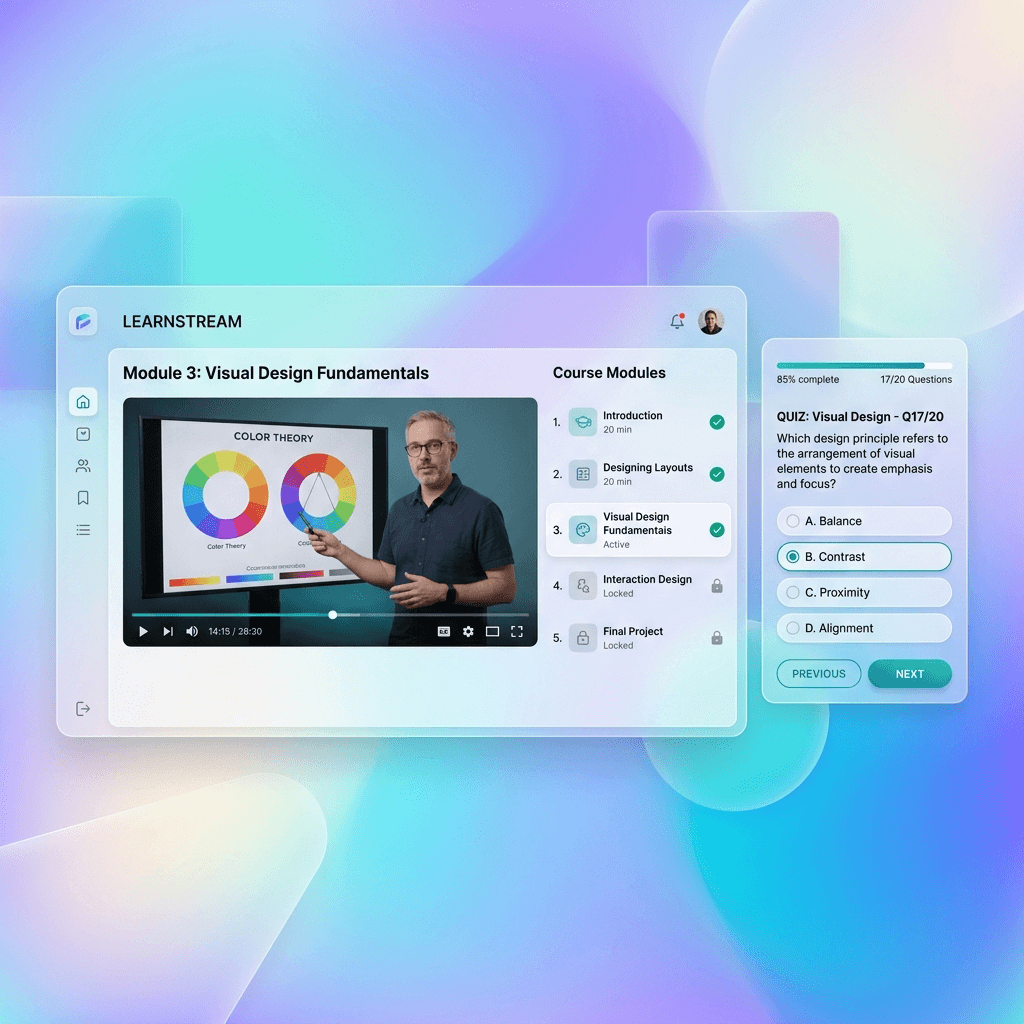
How to Sell Courses Online in India: The Complete 2026 Guide
From a blank page to your first paying student — validating the idea, pricing it right, taking UPI payments, handling GST, and picking a platform that doesn't eat your margin.
Read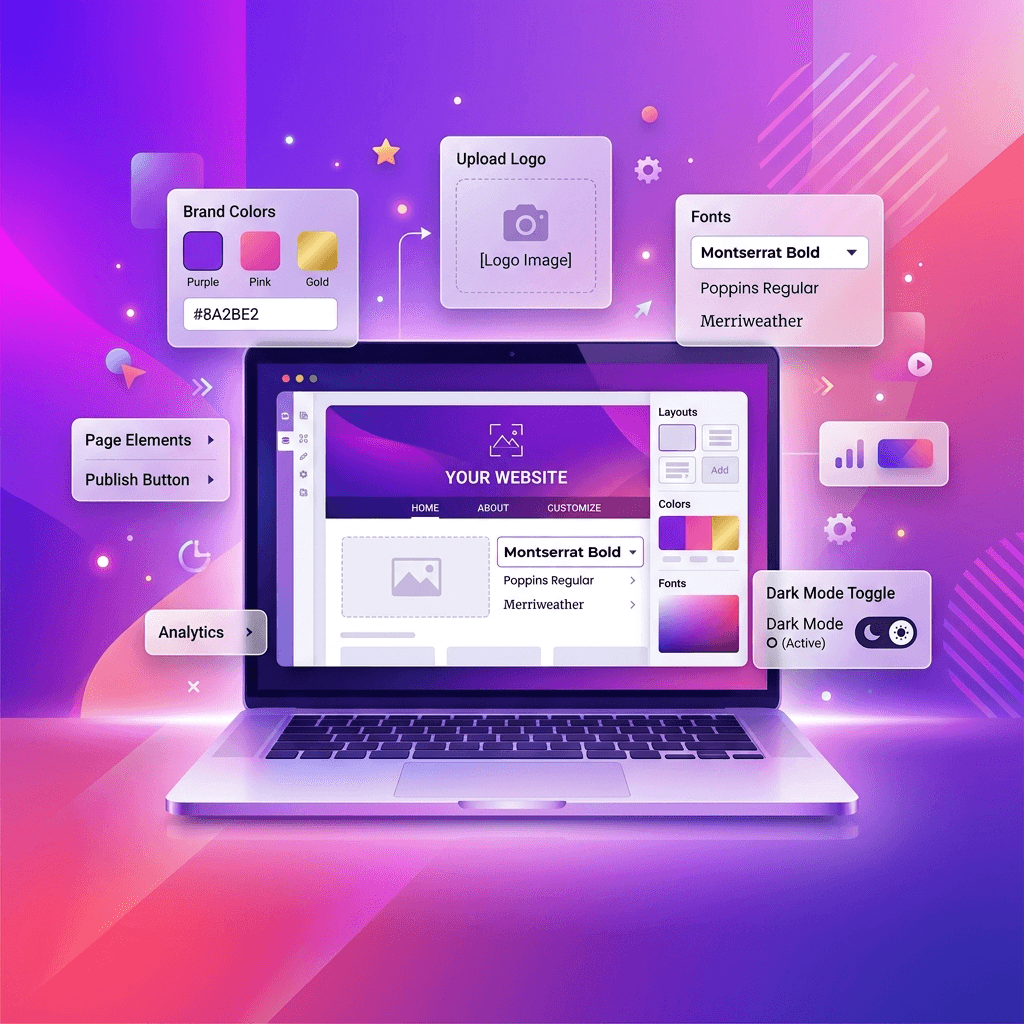
How to Create an Online Course in India: A Step-by-Step Guide
From a blank page to a course people finish — validating the idea, structuring it well, recording on an Indian budget, and adding the quizzes and certificates that make it stick.
Read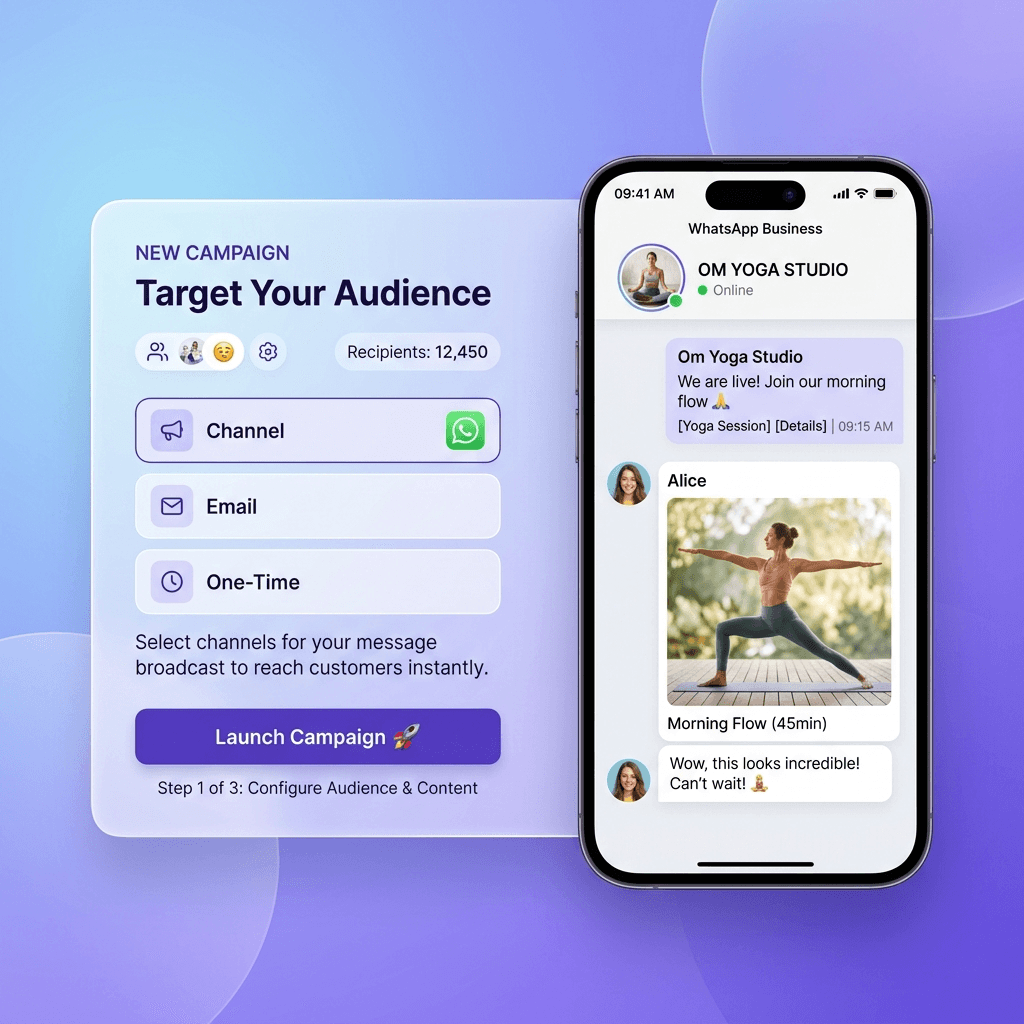
How to Start an Online Coaching Business in India (2026)
From your first paying client to a business that doesn't depend on your calendar — models, tools, pricing, getting students, and scaling your coaching without burning out.
Read