The Online Course Launch Checklist for Indian Creators
Most courses launch to silence because there was no launch — just a quiet 'publish.' Here's the step-by-step checklist to launch properly and actually get sales.
Here's how most course launches go: the creator spends weeks recording, hits 'publish,' shares one post, and waits. Nothing happens. They conclude their course is bad or 'online courses don't work.' Neither is true — what failed was the launch, because there wasn't one. Publishing a course is not the same as launching it, just as opening a shop isn't the same as opening day.
A real launch is a sequence: build anticipation, open with urgency, and deliver. Done right, it concentrates demand into a window so buyers act instead of drifting. This is the practical, India-first checklist to do exactly that — from validating before you build, through a proper early-bird launch, to delivering and turning the launch into an evergreen seller.
Why a launch beats quietly publishing
Quietly publishing spreads weak interest thinly over time, so nobody ever feels a reason to buy now. A launch concentrates attention and adds a deadline, which is what actually moves people from 'maybe later' to 'bought.' It also creates a story to talk about — doors opening, an early-bird ending, a cohort starting — which gives you reasons to post and reach people repeatedly without feeling repetitive.
Phase 1 — Validate before you build
The best time to start selling is before the course exists. Validating first means you never pour weeks into something nobody wants, and a pre-sale is the strongest signal there is.
- Confirm a sharp outcome people want — talk to your audience about what they're stuck on.
- Pre-sell a small cohort or early-bird slot before recording everything. Money upfront beats 'looks great.'
- Use what people ask to shape the curriculum — build to real questions. See how to create a course.
Phase 2 — Build anticipation (the pre-launch)
The week or two before you open the cart is where launches are won. The goal is a warm audience that's waiting, not a cold one you're surprising. Build a little buzz so that when doors open, people are ready.
- Open a waitlist so interested people raise their hand — and get first access (and the best price).
- Tease the value — share useful tips, behind-the-scenes, and the transformation, where your audience hangs out.
- Run a free live workshop as the headline pre-launch event; deliver real value, then invite attendees to the course.
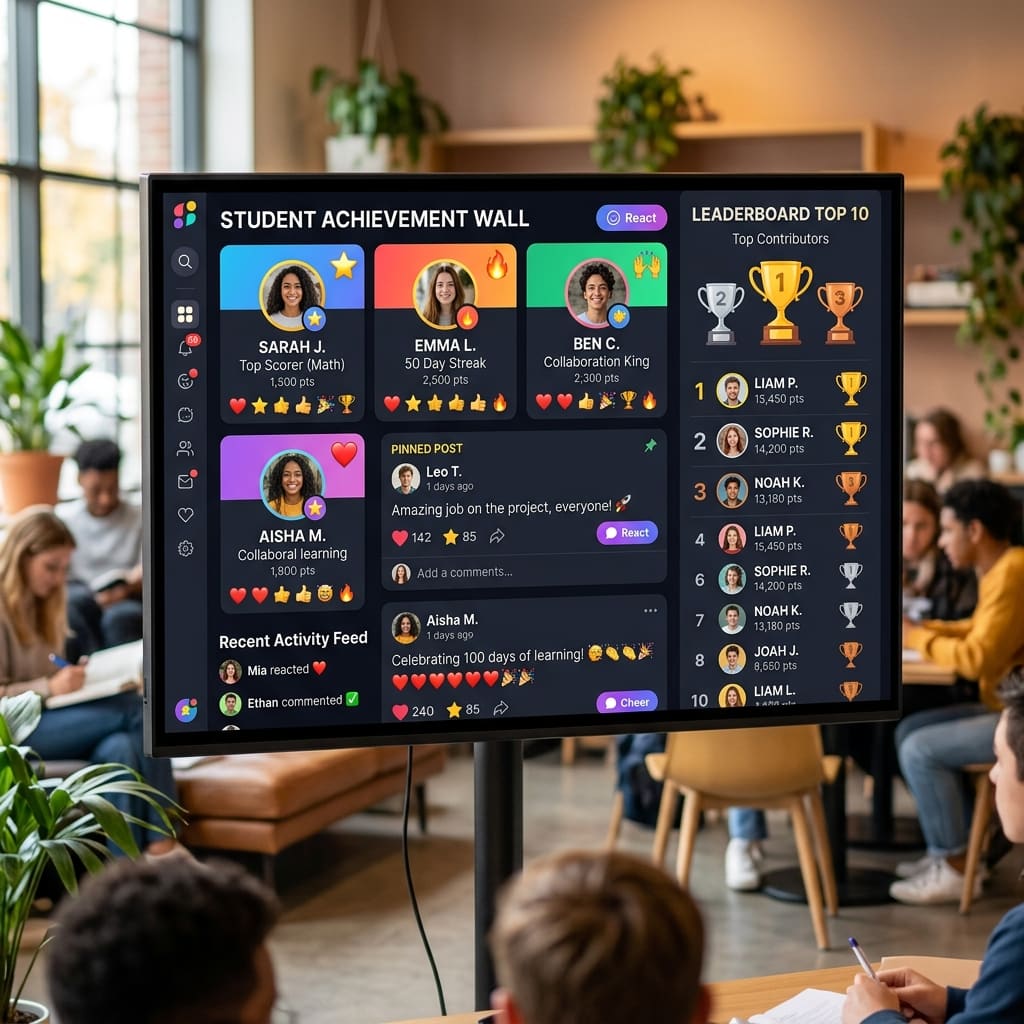
- Line up your proof — testimonials, results, a wall of student wins ready to show.
Phase 3 — The course-ready checklist
Before you open the cart, the product itself must be ready to buy and deliver. You don't need every lesson recorded (a live cohort can be taught as you go), but the buying experience must be solid.
- Curriculum structured into clear modules and short lessons, with one or two free preview lessons unlocked.
- Quizzes, worksheets and a certificate set up so the course delivers outcomes, not just videos.
- Priced to the outcome, with an early-bird and (optionally) tiers — see how much to charge.
- Hosted on a platform that takes UPI payments and settles to your bank, with GST invoicing.
- Payments tested — buy your own course end-to-end and confirm instant access + receipt.
Phase 4 — The sales page checklist
Your sales page does the convincing while you sleep, so get its bones right. It doesn't need to be clever — it needs to be clear and to remove doubt.
- A headline that states the transformation, not the topic.
- Who it's for (and honestly, who it isn't).
- The curriculum, with free preview lessons unlocked.
- Proof — testimonials, results, a wall of student wins.
- Clear pricing, with the early-bird and any tiers.
- An FAQ that kills the top three objections.
- One obvious button — buy now, pay by UPI.
Phase 5 — The launch sequence
Now you open the cart — with a beginning, a middle and an end. A deadline is what turns interest into sales, so the sequence is built around one.
- Open to your waitlist first with the best early-bird price — reward the people who raised their hand.
- Announce widely across in-app, email and WhatsApp (one channel alone gets missed), plus social.
- Email/message the sequence — value, social proof, FAQ-busting, and clear 'doors close' reminders.
- Raise the price (or close the early-bird) on a real deadline — honest urgency, never a fake countdown.
- Close the cart with final reminders — the last day often brings the most sales.
Honest urgency only
Real deadlines convert; fake ones destroy trust. If the early-bird ends Friday, it must actually end Friday — and the price must really rise. Indian buyers are sharp and the internet remembers.
Phase 6 — Launch day
On the big days (open and close), be present and responsive. Answer questions fast, share momentum ('20 seats gone!'), and make buying frictionless.
- Be available to answer questions across your channels — fast replies rescue on-the-fence buyers.
- Watch for and fix any checkout snags immediately; a broken payment on launch day is lost revenue.
- Share social proof and momentum as it happens — enrolments, wins, countdowns.
- Send the final 'last few hours' reminder — the deadline does the heavy lifting.
Phase 7 — After the launch
The launch isn't the finish line — it's the start of the relationship that builds your next launch. Deliver brilliantly, and turn this cohort into the proof and referrals that make the next one easier.
- Onboard well — a great first week drives completion and retention.
- Gather proof — collect testimonials and results while the experience is fresh.
- Turn buyers into referrers with a refer-and-earn link.
- Go evergreen — package the recordings into a self-paced course you can sell year-round, or run the next cohort.
A sample two-week launch plan
Theory is easier to follow with a concrete schedule, so here's a simple two-week shape you can adapt. It assumes you've already validated the idea and the course is buy-ready; this is the visible launch window.
- Days 1–3 — Open the waitlist. Announce that something's coming and invite people to join the waitlist for first access and the best price. Start teasing the value.
- Days 4–7 — Build buzz. Share useful tips, the transformation, behind-the-scenes, and a few proof points. Confirm the free workshop date.
- Day 8 — Free workshop. Deliver genuine value live, then announce that the cart opens to the waitlist tomorrow with an early-bird price.
- Day 9 — Cart opens (waitlist first). Email and message the waitlist with the early-bird offer. Your fastest sales come here.
- Days 10–12 — Open widely. Announce across all channels and run the sequence: value, social proof, FAQ-busting.
- Day 13 — Early-bird ends. Honest deadline; the price genuinely rises. A surge of sales typically lands here.
- Day 14 — Cart closes. Final reminders through the day. The last hours often bring the most sales of all.
Two weeks is a guideline, not a rule — you can compress it for a small launch or extend the pre-launch for a bigger one. What matters is the shape: build anticipation, open with a reason to act early, and close on a real deadline. The deadline is the engine; everything else feeds it.
What if your launch flops?
Not every launch sells out, especially your first — and that's data, not failure. The worst response is to give up; the best is to diagnose. Usually a weak launch points to one of a few fixable causes, and your second launch, armed with that knowledge, does far better.
- Too small or cold an audience? Spend the next cycle building your audience and waitlist before launching again.
- Unclear offer? If people didn't 'get' the transformation, sharpen the promise and the sales page.
- No urgency? If there was no real deadline, add a genuine early-bird and close date next time.
- Wrong price? Test a different price or add tiers — see how much to charge.
- Few objections answered? Talk to people who didn't buy and address their reasons directly.
Treat each launch as a rehearsal for the next. The creators who win aren't the ones whose first launch was perfect — they're the ones who launched, learned, and launched again. A flop you learn from is worth more than a quiet publish you ignore.
Common launch mistakes
- Publishing quietly with no sequence, no deadline, no buzz.
- Building the whole course before validating demand.
- No waitlist, so you open the cart to a cold audience.
- Vague or no deadline, so nobody feels a reason to buy now.
- Faking urgency — a trust killer that wins one sale and loses the rest.
- Treating launch day as the end instead of the start of the relationship.
The complete launch checklist
- Validate the outcome and pre-sell a small cohort.
- Open a waitlist and tease the value for 1–2 weeks.
- Run a free live workshop as the pre-launch event.
- Get the course buy-ready: previews, quizzes, certificate, pricing.
- Host on a UPI-ready platform; test the full checkout.
- Build a clear sales page with proof and one buy button.
- Open to your waitlist with an early-bird; announce widely.
- Run the email/message sequence to a real deadline.
- Be present on open and close days; fix snags fast.
- Deliver, gather proof, add refer-and-earn, go evergreen.
Launch your course the right way
Waitlists, early-bird pricing, UPI checkout, multi-channel announcements and community — everything you need to launch and sell, on a free India-first platform with 0% commission.
Start free
Renu Rawat
Founder of thebigclass.com. Helping Indian educators and creators build profitable, independent learning businesses without losing 30% to platform fees.
About the founderFrequently asked questions
- How do I launch an online course?
- Treat it as a sequence, not a single 'publish.' Validate and pre-sell the idea, build anticipation with a waitlist and a free workshop, get the course buy-ready (free previews, pricing, a tested UPI checkout) and a clear sales page, then open the cart to your waitlist with an early-bird price, run an announcement and email sequence to a real deadline, and close with final reminders. Afterward, deliver well, gather proof, add referrals, and turn the recordings into an evergreen seller.
- Why did my course launch get no sales?
- Almost always because there was no launch — just a quiet 'publish' with one post and no sequence, no waitlist and no deadline. Quietly publishing spreads weak interest thinly so nobody feels a reason to buy now. A real launch concentrates attention, adds honest urgency with a deadline, and gives you repeated reasons to reach your audience. Fixing the launch (not necessarily the course) is usually what turns silence into sales.
- Do I need to finish my course before launching?
- No — and finishing first is often a mistake. Many creators validate and pre-sell, then teach the first cohort live, recording as they go, which means they build the course around real student questions and walk away with an evergreen self-paced version. What must be ready before you open the cart is the buying experience — a clear sales page, free previews, pricing and a tested checkout — not every lesson.
- What is a waitlist and why does it matter for a launch?
- A waitlist is a simple sign-up where interested people raise their hand before you open the cart, in exchange for first access and usually the best early-bird price. It matters because it turns a cold launch into a warm one: instead of surprising a cold audience when doors open, you launch to people already waiting and ready to buy. The waitlist is also where your first, fastest sales come from.
- How long should a course launch last?
- The open-cart window is usually short — often around a week — because urgency drives sales and a deadline only works if it's near. Before that, give yourself one to two weeks of pre-launch (waitlist plus a free workshop) to build anticipation. Too long an open period and people drift; too short and your audience misses it. A roughly week-long cart with a real early-bird and close deadline is a reliable shape.
- What should be on my course sales page?
- A headline stating the transformation (not the topic), who it's for and isn't, the curriculum with one or two free preview lessons unlocked, proof (testimonials, results, a wall of student wins), clear pricing with the early-bird and any tiers, an FAQ that kills the top three objections, and one obvious buy button that takes UPI. Clarity beats cleverness — the page's job is to state the outcome and remove doubt.
- How do I create urgency for a launch without being dishonest?
- Use real deadlines and real scarcity. An early-bird price that genuinely rises on a set date, a cohort with a real start date, or a limited number of seats all create honest urgency that moves buyers. What you must never do is fake it — countdowns that reset or 'original' prices that were never charged win one sale and destroy trust, and Indian buyers are quick to spot it. Honesty out-converts trickery over any real timeline.
- What do I do after my course launches?
- Deliver brilliantly and turn the launch into your next one. Onboard students well (the first week drives completion), gather testimonials and results while the experience is fresh, add a refer-and-earn link so happy buyers bring friends, and then go evergreen — package the recordings into a self-paced course you sell year-round, or schedule the next cohort. A good launch isn't the finish line; it's the start of the relationship that compounds.
- How far in advance should I start promoting my course launch?
- Give yourself roughly one to two weeks of pre-launch before you open the cart — enough to open a waitlist, tease the value, and run a free workshop that builds anticipation, but not so long that interest fades before doors open. The open-cart window itself is usually shorter, around a week, because urgency and a near deadline drive sales. For a bigger launch you can extend the pre-launch to build a larger waitlist; for a small one you can compress the whole thing.
- Do I need an email list to launch a course?
- It helps a lot, but it isn't the only way. The goal is a warm audience you can reach directly when the cart opens — that can be an email list, a WhatsApp broadcast, a Telegram group, or engaged social followers. A waitlist (collected over email or WhatsApp) is the simplest place to start, since it gathers exactly the people most likely to buy. Reaching people across in-app, email and WhatsApp together lands far better than relying on a single channel.
Keep reading
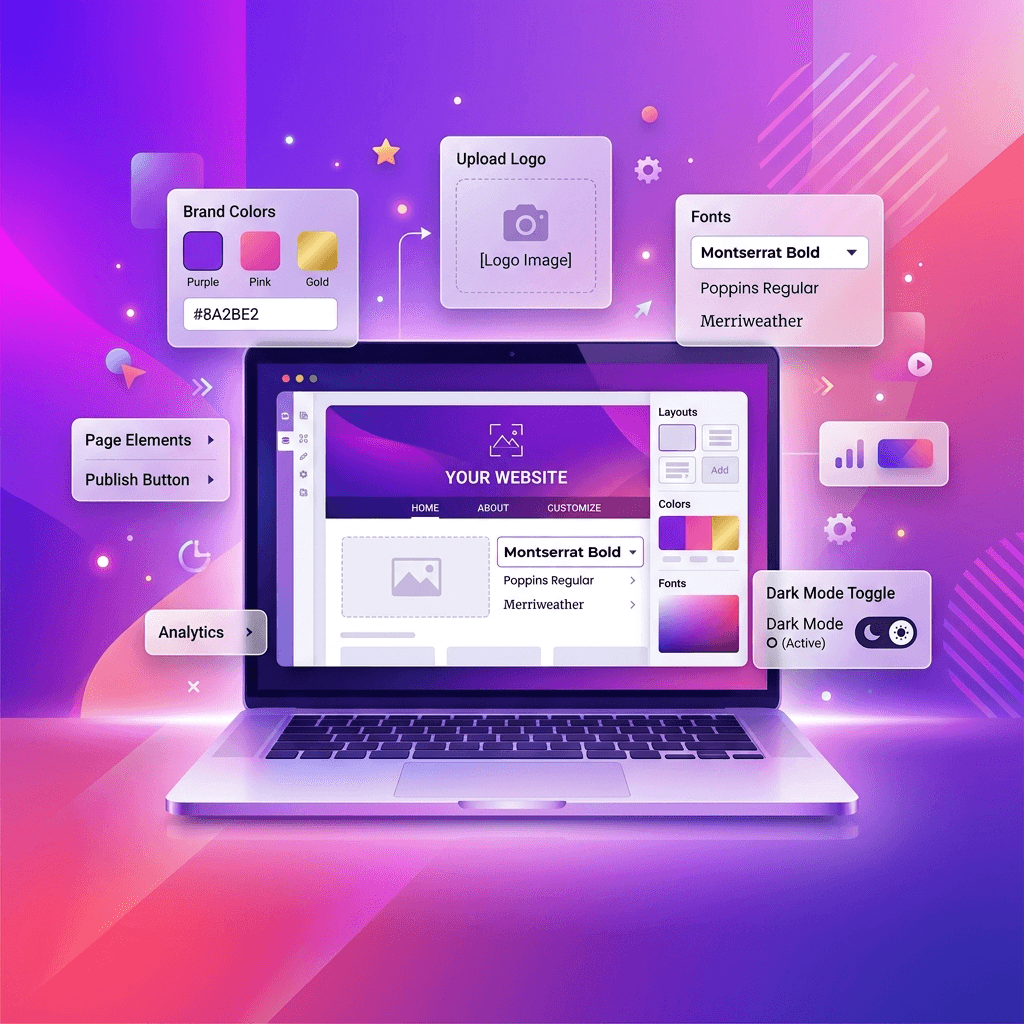
How to Create an Online Course in India: A Step-by-Step Guide
From a blank page to a course people finish — validating the idea, structuring it well, recording on an Indian budget, and adding the quizzes and certificates that make it stick.
Read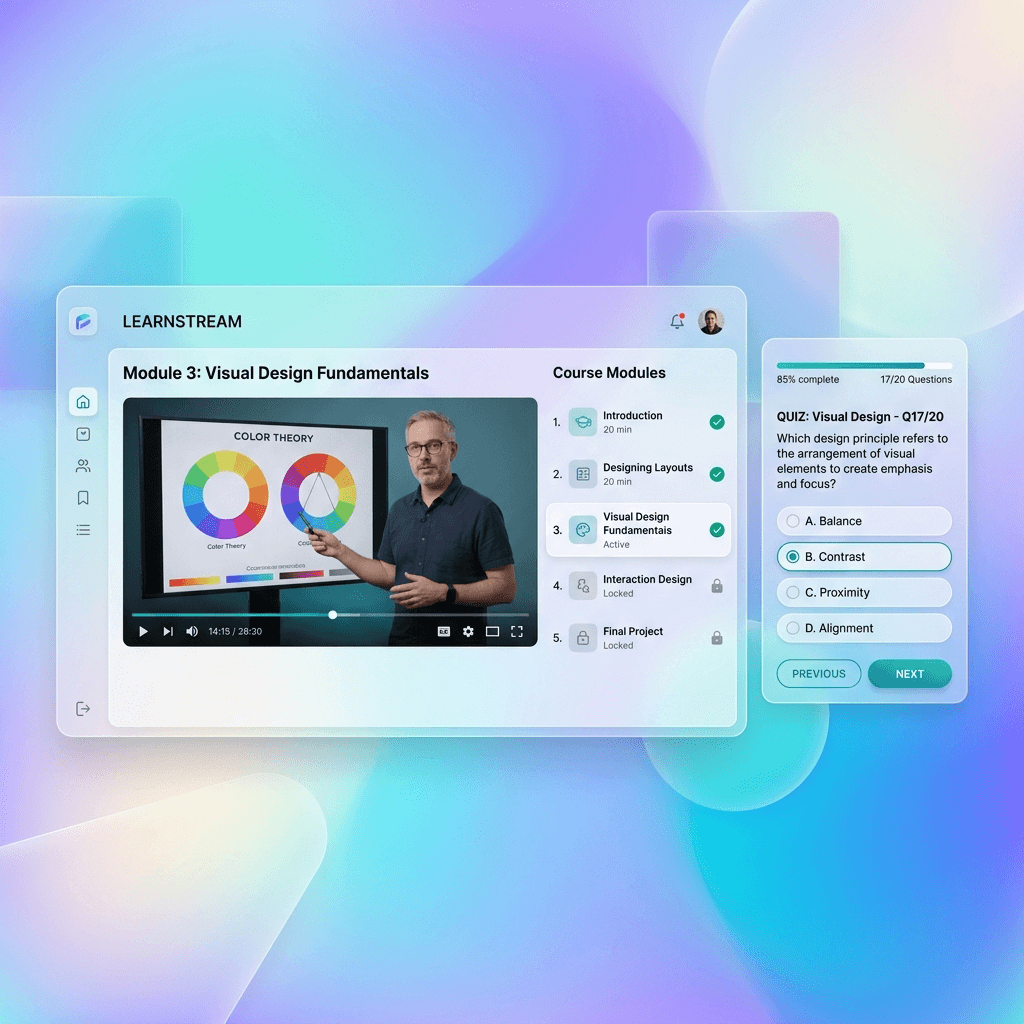
How to Sell Courses Online in India: The Complete 2026 Guide
From a blank page to your first paying student — validating the idea, pricing it right, taking UPI payments, handling GST, and picking a platform that doesn't eat your margin.
Read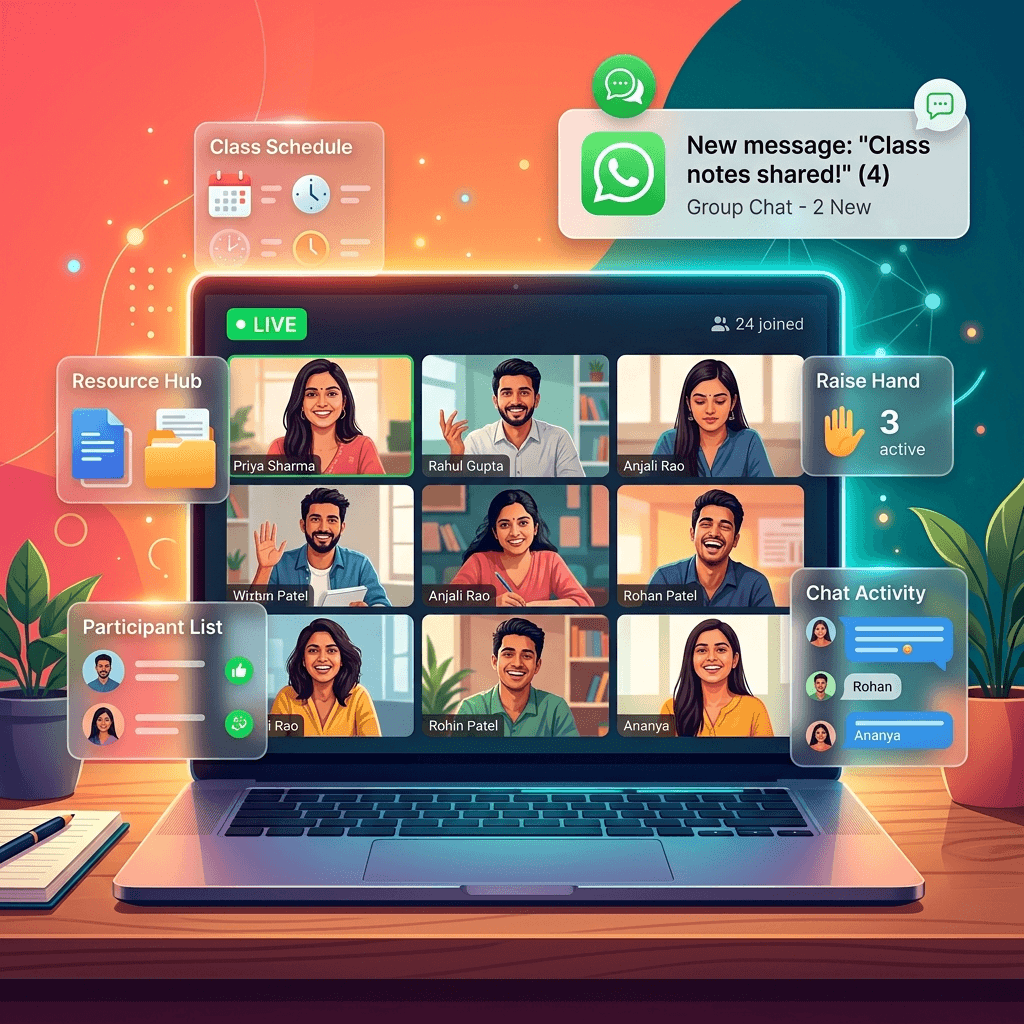
How Much Should You Charge for an Online Course in India?
The most-asked, least-answered question: what's the right price? Here are realistic India ranges, a simple method to find your number, and worked examples — no guesswork.
Read