White-Label Course Platform in India: The Complete Guide
Your students should remember your name, not the platform's. Here's what white-label really means, why it matters, and how to launch a fully branded academy on your own domain.
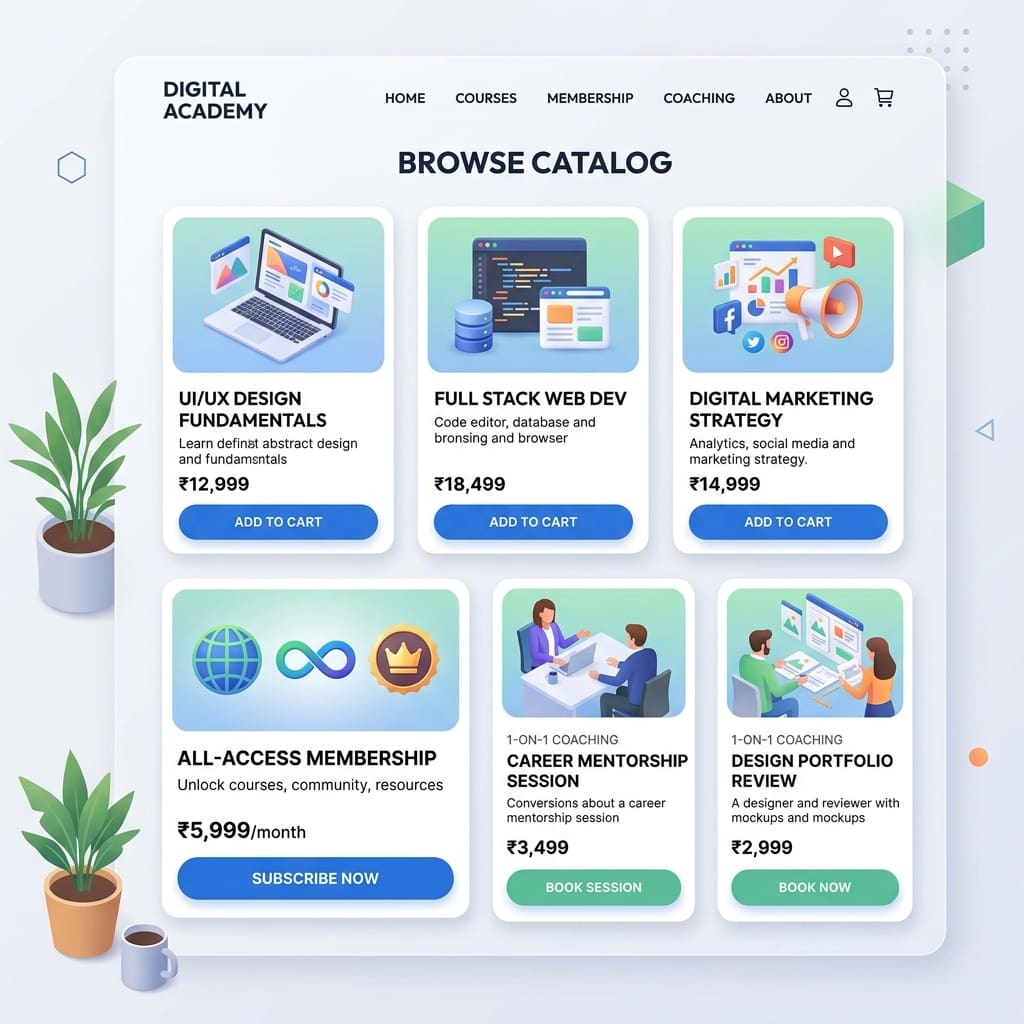
Imagine two coaching academies selling the same course at the same price. One sends students to coursehost-xyz.com/your-name, with someone else's logo in the corner and "powered by" in the footer. The other lives at learn.theirbrand.com — their colours, their logo, their name on every email and certificate. Which one feels more like a real institution? Which one would you trust with ₹15,000?
That's the whole case for white-label in one image. When you teach online, your brand is your business — and a platform that puts its name above yours is quietly building its brand on your work. This guide explains what a white-label course platform actually is, why it matters more than creators realise, what to demand from one, and how to set up a fully branded academy in India.
What is a white-label course platform?
A white-label course platform lets you run your online academy entirely under your own brand — your domain, your logo, your colours, your name on emails, checkout and certificates — with the underlying platform invisible to students. "White-label" comes from manufacturing: a product made by one company, sold under another's label. Here, the platform builds and runs the software; you put your name on the front.
The opposite is a platform-branded experience, where students clearly buy from the platform and you're a tenant inside it. That's fine for a marketplace, but if you're building a business and a reputation, you want the brand equity flowing to you.
White-label vs marketplace vs DIY
There are three ways to put a branded course business online. They trade off control, effort and ownership differently.
| Approach | Your brand | Effort | Trade-off |
|---|---|---|---|
| White-label platform | Fully yours (domain, logo, emails) | Low — it's built for you | A subscription, but your brand + low upkeep |
| Marketplace (Udemy etc.) | Theirs — you're a listing | Very low | Big revenue cut, no audience ownership |
| DIY (WordPress + plugins) | Fully yours | High — you maintain it | Five tools to glue + keep running |
Why your brand and domain actually matter
This isn't vanity. Branding on your own domain pays off in concrete ways.
- Trust and conversion. Buyers pay more, and more often, when the experience looks like a real, established brand — not a generic sub-page on someone else's site.
- SEO that compounds for you. Content and backlinks on your own domain build *your* search authority over years. On a shared platform domain, you're growing theirs.
- Audience ownership. Your domain, your emails, your students — so your next launch costs nothing to announce and nobody can switch off your access to your own audience.
- Resale and partnerships. A branded academy on your own domain is a real asset you can grow, sell, or build sponsorships around. A marketplace listing isn't.
- Pricing power. A premium-looking academy supports premium prices. Cheap-looking checkout caps what you can charge.
The compounding point
Every happy student, every blog post, every backlink on your own domain strengthens your brand. On a platform-branded URL, that same effort strengthens the platform. Over years, that difference is enormous.
What 'white-label' should actually include
The term gets stretched, so check exactly how far the branding goes. True white-label covers every touchpoint, not just the homepage.
- Custom domain — your academy on learn.yourbrand.com (or your root domain), not a platform subdomain.
- Your logo and colours throughout the student experience, including the dashboard.
- Branded checkout — your name on the payment page, so buyers know exactly who they're paying.
- Branded emails — receipts, reminders and announcements that come from you, not from the platform.
- Your certificates — your seal and signature, with a verification link on your domain.
- No 'powered by' — the platform stays invisible to students.
If any of these still shows the platform's brand, it's only partial white-label. Ask specifically about emails and checkout — those are the touchpoints platforms most often keep branded.
How a custom domain works (it's simpler than it sounds)
Connecting your own domain is a one-time, no-code step. You add a small DNS record (a CNAME) at your domain registrar that points your chosen address — say learn.yourbrand.com — at the platform. The platform then serves your academy at that address and issues an SSL certificate automatically, so it loads securely with the padlock.
On The Big Class, custom domains and white-label are available on the Growth and Scale plans, and the setup is a guided, copy-paste affair — no developer required.
White-label for coaching institutes
For coaching institutes, white-label is doubly important. Parents and students judge an institute by how established it looks, and a branded academy — ideally with a branded app or app-like experience — signals seriousness in a way a generic listing never can. It also keeps your batches, your faculty and your reputation under one roof you control. Pair it with live classes and community and you've got a real digital campus, not a folder of videos.
What to look for (and the gotchas)
Not all white-label is equal, and the catches are usually in the plan tiers.
- Is white-label gated to the most expensive plan? Many platforms only drop their branding at the top tier — budget for the plan you'd actually need.
- Are emails truly branded? A branded site with platform-branded emails breaks the illusion at the worst moment — right after payment.
- Custom domain included, with auto-SSL? Confirm both, and that there's no extra fee per domain.
- Does the student dashboard carry your brand, or just the marketing pages?
- Can you export everything? White-label means little if you can't take your students and content elsewhere.
Watch the email touchpoint
The fastest way to spot fake white-label: buy your own course and read the receipt. If it's 'from' the platform, the branding is only skin-deep.
How to set up your branded academy
- Choose a platform with full white-label (domain, logo, emails, checkout, certificates) on a plan you can afford.
- Pick your address — learn.yourbrand.com is the common, clean choice.
- Add the CNAME record at your registrar and let the platform issue SSL.
- Upload your logo, set your brand colours, and configure your sender domains for branded email.
- Connect your own Razorpay account so the checkout is branded and payouts come to you.
- Buy your own course end-to-end and check every touchpoint — site, checkout, receipt, certificate — carries your brand.
White-label and your SEO authority
Here's a benefit creators almost always overlook: SEO. Every blog post you write, every course page that gets shared, every site that links to you — all of it builds search authority for whatever domain it lives on. Put that effort on your own white-label domain and, year after year, you're growing an asset that ranks and compounds for you. Put it on a shared platform subdomain and you're a tenant improving the landlord's property.
The difference is slow but enormous. Two creators publish equally good content for three years; the one on their own domain has built a brand that Google recognises and learners search for by name, while the one on a platform URL has to start over the day they leave — because the rankings and backlinks were never really theirs. If you're investing in content (and you should — see how to sell courses online in India), white-label is what makes that investment yours to keep.
A small but real bonus: a custom domain also looks trustworthy in search results and link previews. learn.yourbrand.com shared on WhatsApp or LinkedIn reads as a real institution; a long platform URL with someone else's name in it reads as, well, a tenant.
Is the higher plan worth it?
Because white-label and custom domains usually sit on a platform's upper tiers, the honest question is whether the extra monthly cost pays for itself. For a hobbyist selling the occasional course, maybe not yet — a platform subdomain is fine while you're testing the waters. But the moment you're building a real business, the maths flips fast.
Think about what the branded tier buys: higher trust (so better conversion and pricing power), SEO that compounds into free traffic, and an asset you own outright. Against a few thousand rupees a month, even a modest lift in conversion or one extra sale a week covers it — and the brand equity is pure upside. The trap isn't paying for white-label too early; it's staying on a platform-branded URL for years while your competitors quietly build brands that outrank and outsell you. If teaching online is your business, your brand isn't a luxury line item — it's the business.
How it fits the bigger picture
White-label isn't a standalone feature — it's the front door to the business you're building. Behind it sit your courses, your payments, your community and your live cohorts. Choose a platform that gives you the branded front *and* keeps your revenue (a zero-commission model), and you're building equity on every front. For the wider market view, see the best online course platforms in India.
Launch a fully branded academy
Your domain, your logo, branded emails, certificates and checkout — with native UPI and 0% storefront commission. Build your white-label academy on The Big Class.
See white-label
Renu Rawat
Founder of thebigclass.com. Helping Indian educators and creators build profitable, independent learning businesses without losing 30% to platform fees.
About the founderFrequently asked questions
- What is a white-label course platform and how does it work?
- A white-label course platform lets you run your online academy entirely under your own brand — your custom domain, logo, colours, branded emails, checkout and certificates — while the underlying software stays invisible to students. The platform builds and runs the technology; you put your name on the front. You connect your domain with a simple DNS (CNAME) record, the platform serves your academy there and issues SSL automatically, and your students experience a site that looks entirely like yours.
- How do I create a branded online course website in India?
- Choose a platform with full white-label on a plan you can afford, pick an address like learn.yourbrand.com, add a CNAME record at your domain registrar (the platform issues SSL automatically), then upload your logo, set your colours, configure branded sender emails, and connect your own Razorpay account so checkout and payouts are yours. Finally, buy your own course end-to-end to confirm every touchpoint carries your brand.
- Why does white-label branding matter for course creators?
- Because your brand is your business. A branded academy on your own domain builds trust (which lifts conversion and pricing power), grows your own SEO authority instead of the platform's, gives you true audience ownership, and creates a real asset you can grow or sell. On a platform-branded URL, all that effort compounds for the platform, not you.
- What's the difference between white-label, a marketplace and DIY?
- White-label gives you full brand ownership (your domain, logo, emails) with low effort because the platform is built for you. A marketplace like Udemy is the platform's brand — you're a listing — with a big revenue cut and no audience ownership. DIY (WordPress plus plugins) gives full ownership but high maintenance across several stitched-together tools. White-label usually offers the best balance for serious educators.
- Does a custom domain need technical setup?
- No coding is required. You add one DNS record (a CNAME) at your domain registrar pointing your chosen address at the platform, which then serves your academy there and issues an SSL certificate automatically so it loads securely. It's a one-time, copy-paste step, and good platforms guide you through it.
- Is white-label included for free, or does it cost extra?
- It varies by platform, and many gate white-label and custom domains to higher plans — so budget for the plan you'd actually need. On The Big Class, custom domain and white-label are available on the Growth and Scale plans. Always confirm whether branded emails, branded checkout and the student dashboard are all included, not just the marketing pages.
- How do I know if a platform's white-label is genuine?
- Buy your own course and inspect every touchpoint. Check that the domain is yours, the dashboard carries your brand, the checkout shows your name, and — the big tell — the email receipt comes 'from' you, not the platform. Partial white-label often keeps emails and checkout branded by the platform, which breaks the illusion right after payment.
- Is white-label important for coaching institutes?
- Very. Students and parents judge an institute by how established it looks, so a fully branded academy (ideally with a branded, app-like experience) signals seriousness and builds trust. It also keeps your batches, faculty and reputation under a roof you control, rather than scattered across someone else's brand.
- Does white-label help my SEO?
- Yes, significantly over time. Content, course pages and backlinks on your own white-label domain build search authority that compounds for your brand year after year. On a shared platform subdomain, that same effort grows the platform's authority instead — and you'd start from zero the day you leave. If you invest in content marketing, a custom domain is what makes that investment an asset you actually own.
- Is the higher plan for white-label worth the cost?
- Once you're running a real business, almost always. The branded tier buys higher trust (better conversion and pricing power), SEO that compounds into free traffic, and an asset you own outright — which a modest lift in conversion or one extra sale a week typically covers. For a hobbyist still testing the idea, a platform subdomain is fine for now; upgrade when teaching online becomes your business rather than an experiment.
Keep reading
How to Choose the Best Online Course Platform in India
A clear, India-first way to choose a course platform — the six things that actually matter, an honest map of the options, and how to pick for your situation.
Read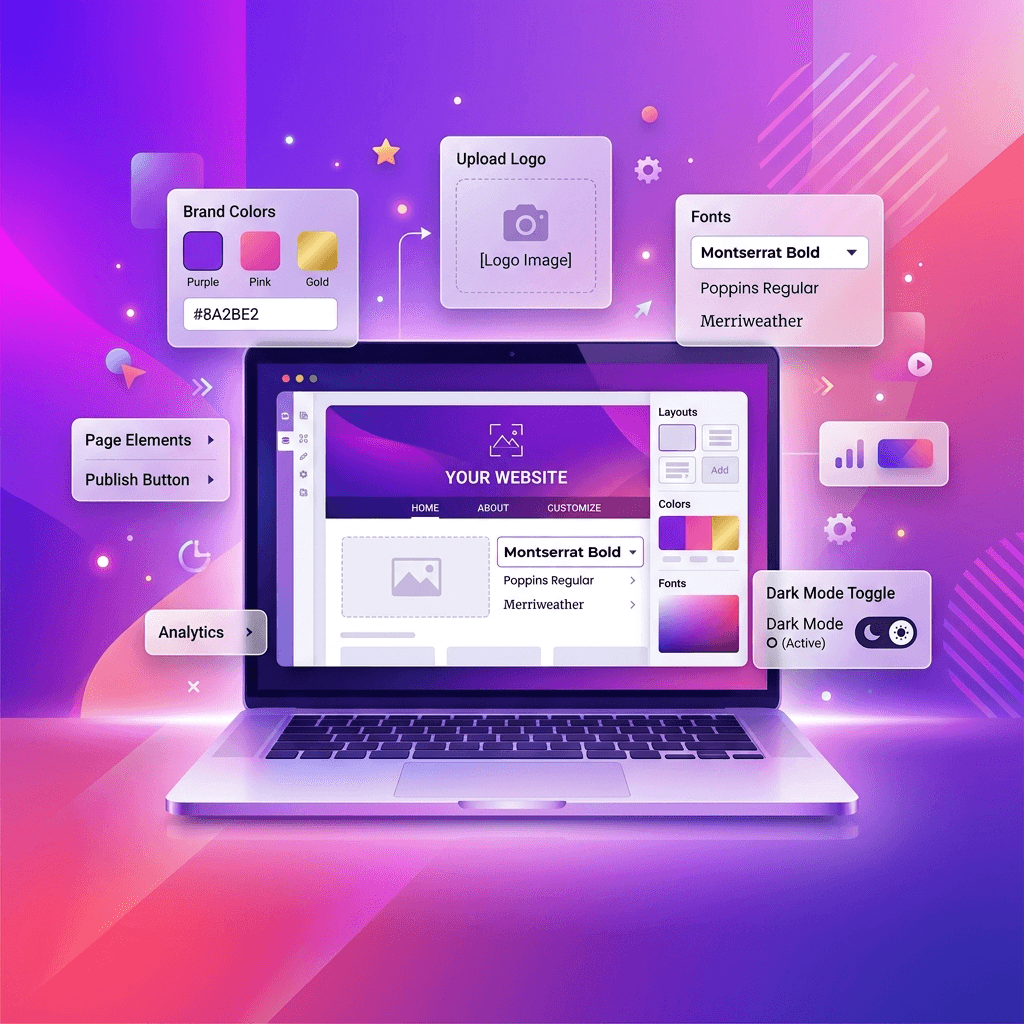
Zero-Commission Course Platforms: Keep 100% of Your Course Revenue
Commission is the quiet tax on every sale you make. Here's what it really costs over a year, how to spot a true zero-commission platform, and how to keep what you earn.
ReadHow to Start an Online Coaching Business in India (2026)
From your first paying client to a business that doesn't depend on your calendar — models, tools, pricing, getting students, and scaling your coaching without burning out.
Read